
Best Laser Treatments to Remove Sun Tan Effectively

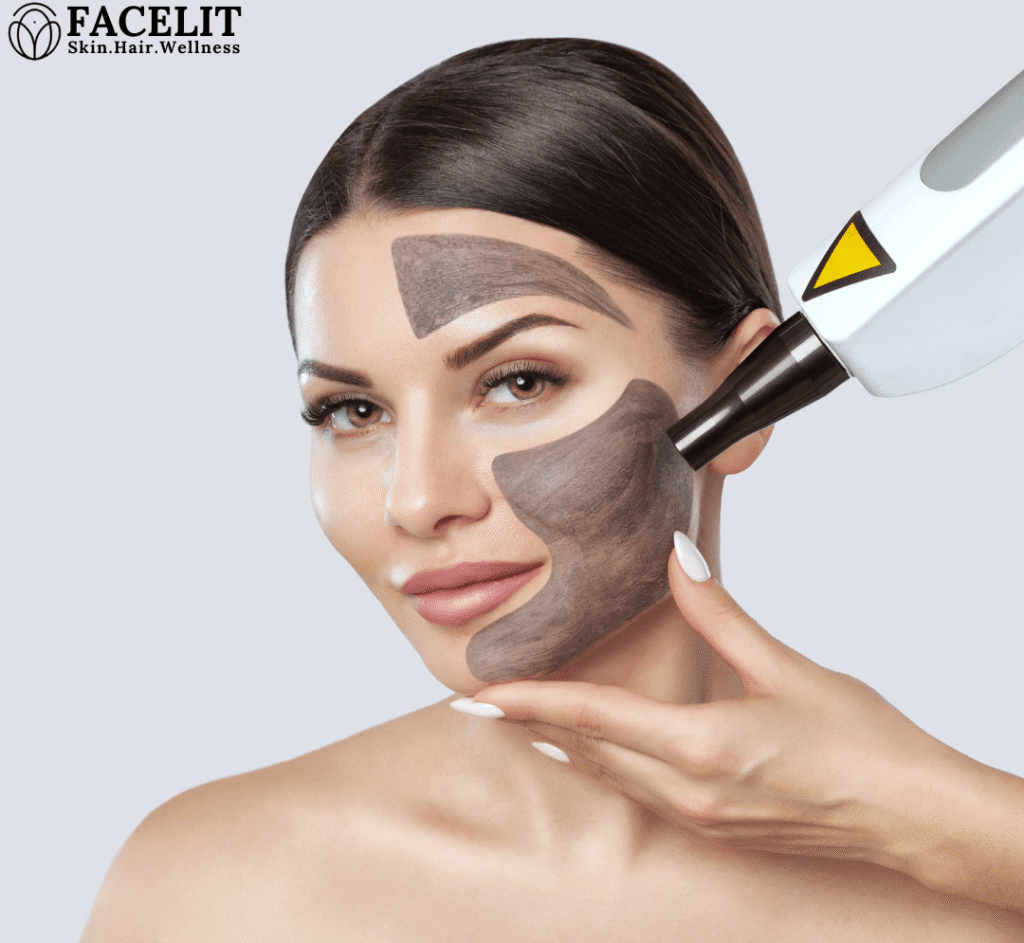
Best Laser Treatments to Remove Sun Tan Effectively Ever Feel Like Your Tan Just Refuses to Fade? You’re not alone—and you’re not imagining it. That stubborn, patchy tan that sticks around for months isn’t just sun damage… It’s your skin crying out for real, clinical-level care. If you’ve tried scrubs, face packs, and all the “miracle creams” in the market but still feel stuck with uneven skin tone, you’re in the right place. This article will walk you through the most advanced and effective laser solutions to remove sun tan—especially if you’re considering a reliable clinic like Facelit. Let’s clear the confusion, the pigmentation, and the skin. Understanding Sun Tan: It’s More Than Just Dark Skin Here’s the thing: a suntan isn’t just a surface-level issue. It’s a biological reaction where your skin produces excess melanin to protect itself from UV rays. That extra pigment settles deep in your skin layers—and that’s where most home remedies fail. If it’s been weeks (or months) and your tan still lingers, you’re dealing with dermal pigmentation, which won’t go away with a face wash or peel. Why Indian Skin Holds onto Tan Longer Our skin (typically Fitzpatrick Type IV–V) is rich in melanin, which means we: Tan faster Retain tan longer Are more prone to hyperpigmentation if we over-exfoliate or use harsh products This makes laser therapy not just a good option but a necessary one for deep tan correction. Common Mistakes That Make Tan Worse Skipping sunscreen even on cloudy days Using lemon or baking soda—harsh, drying, damaging Doing back-to-back chemical peels without expert advice Expecting salon facials to undo UV damage (they can’t) If this sounds familiar, it’s time to move on to science-backed skin care. Why Creams and Peels Rarely Work on Deep Tan Most “tan removal” products work only on the top layer of your skin. But a deep suntan sits in the dermis, beneath the surface. Unless you’re using active treatments like lasers, you’re basically lightening the top—but the dark layer underneath is still there. Why Laser Treatment is the Gold Standard Laser treatments target melanin deep within your skin without damaging the surface. They’re: Non-invasive Safe on Indian skin tones Faster and more effective than peels Backed by dermatology and science Let’s break down the most effective types. Best Laser Treatments to Remove Sun Tan 1. Pico Laser—Fast, Gentle, Powerful Pico laser is a game-changer in pigmentation treatment. It works by sending ultra-short bursts of light that shatter pigment particles without heating the skin too much. Less discomfort Great for dark skin Effective in fewer sessions Minimal downtime Perfect if you want fast results without peeling or redness. 2. IPL (Intense Pulsed Light)—Brighten & Even Out IPL isn’t a laser per se but a broad-spectrum light that targets pigment and redness. Best for mild to moderate tanning Also improves overall skin tone and texture Great for facial tanning and mild discoloration Not ideal for deeper tans, but an excellent first step for fair to wheatish skin. 3. CO2 Fractional Laser —Resurface & Rejuvenate If you’ve got severe sun damage, texture issues, or long-standing tan patches, CO2 fractional could be the hero. Removes top layers to reveal fresh skin Boosts collagen for smoother texture Also treats fine lines, scars, and enlarged pores It’s more intense, so expect some downtime, but the glow is worth it. Chemical Peels: Treatments to Remove Sun Tan Chemical Peels 1. Glycolic Acid Peel (AHA Peel) The most popular peel for tan removal. Derived from sugarcane, it exfoliates the top layer of skin to reveal brighter, even-toned skin underneath. Best for: Mild to moderate tanning, dull skin Strength: 20–70% (done by dermatologist) Sessions needed: 4–6, spaced 2–3 weeks apart Downtime: Minimal (slight peeling for 2–3 days) 2. Lactic Acid Peel A gentler AHA option, great for sensitive or darker skin tones. Also deeply hydrating while brightening. Best for: Sensitive skin, mild tanning Works well for beginners to chemical peels Downtime: Almost none 3. Salicylic Acid Peel (BHA Peel) Oil-soluble peel that penetrates deeper. Great if tan comes with acne or clogged pores. Best for: Oily/acne-prone skin with tanning Strength: 10–30% Bonus: Controls sebum and reduces breakouts 4. TCA Peel (Trichloroacetic Acid) A medium-depth peel that tackles stubborn, deep tanning and pigmentation. Best for: Severe tanning, uneven skin tone, dark patches Strength: 10–35% Downtime: 5–7 days of peeling Sessions: 2–4 (results are dramatic) 5. Yellow Peel (Retinoic Acid Peel) A retinoid-based peel that speeds up cell turnover and fades melanin deposits significantly. Best for: Chronic sun damage, deep tan, anti-aging Minimal irritation compared to TCA Leaves a visible yellow tint for 24 hrs post-treatment 6. Kojic Acid Peel Derived from fungi, it blocks melanin production while exfoliating. Best for: Asian/darker skin tones prone to hyperpigmentation Often combined with glycolic acid for enhanced results How Laser Tan Removal Actually Works Laser light enters your skin and targets the melanin clusters formed by tanning. It breaks them down into smaller particles that are absorbed and eliminated naturally by your body. No cutting, no bleeding, and usually no pain—just a mild tingling or warmth during the session. Real Results: What You Can Expect Skin looks visibly brighterPatchy tan becomes evenOverall skin tone becomes uniformTexture improves too (bonus!) Results usually start showing after the first or second session, depending on the type of laser used. What Happens During a Laser Session at Facelit Clinic Here’s what a real session looks like: Consultation—Your skin is analyzed with a digital scan. Patch test—Ensures your skin reacts well to the treatment. Laser session—takes 20–30 minutes depending on the area. Post-care plan—customized skincare routine to maintain results. At Facelit, the process is painless, clean, and handled by trained medical professionals—not technicians with basic training. Aftercare: Keep the Tan From Coming Back Your job doesn’t end after the session. Here’s how you lock in results: Use SPF 50+ daily, even if indoors Avoid hot showers, saunas, or gym for 48 hours Stick to gentle moisturizers and soothing serums No waxing or scrubbing for at
Hair Loss Symptoms Causes & Treatments
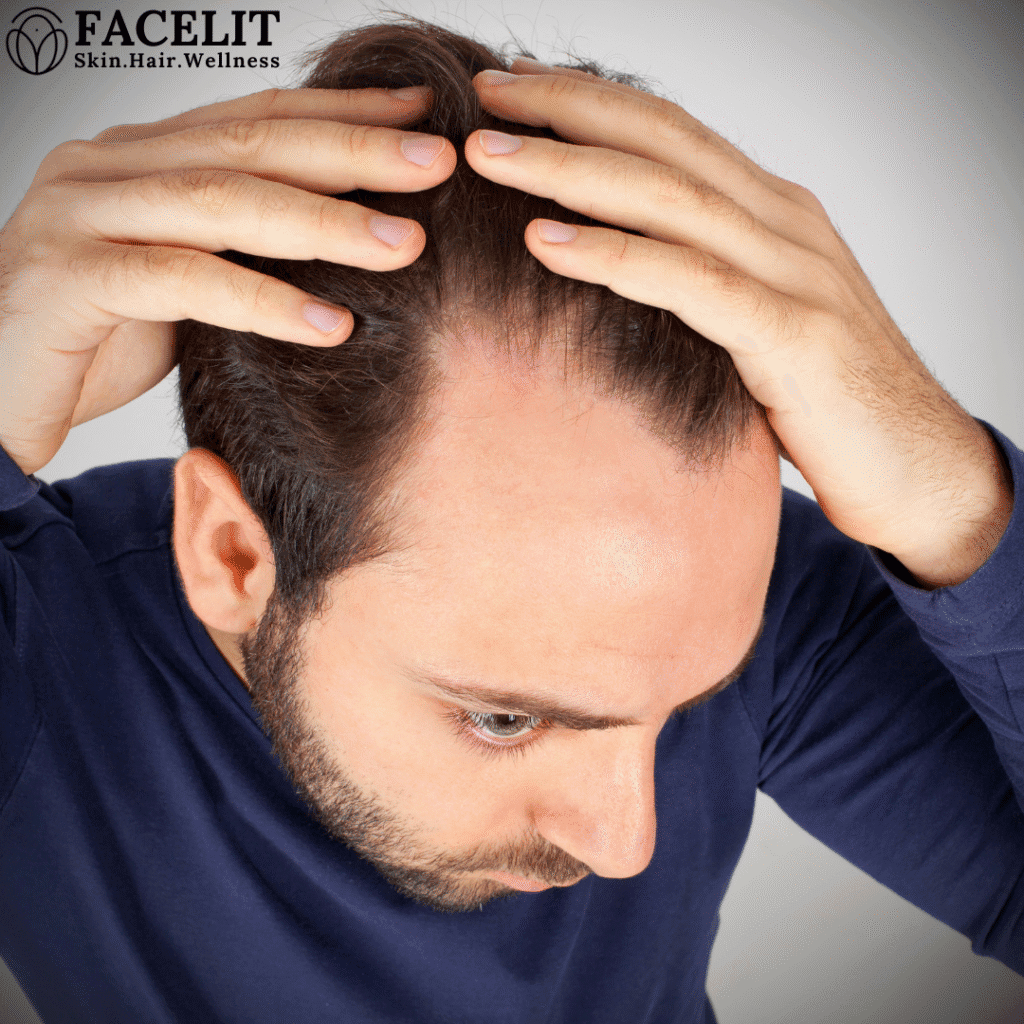
Hair Loss Symptoms Causes & Treatments Hair loss can feel like a quiet thief, stealing your confidence strand by strand. You might notice a receding hairline, a thinner ponytail, or more hair in the shower drain than usual. Whether you’re just starting to notice the signs or deep into the frustration of trying every shampoo and serum under the sun, here’s the good news: Hair loss is treatable. But the key? Understanding what’s causing it—and choosing the right solution based on your unique situation. In this guide, we won’t just talk symptoms. We’ll give you the why, the what now, and introduce Facelit Clinic—your trusted partner in regrowing not just hair, but self-confidence. What is Hair Loss, Really? Hair loss isn’t just about going bald. It’s a symptom, not the disease. It can be slow and sneaky, or fast and dramatic. The good news? Once we know the type, we can target the treatment. Types of Hair Loss You Should Know About Androgenetic Alopecia (Male/Female Pattern Baldness) Caused by genetics and hormones Common in both men and women Usually starts at temples or crown Telogen Effluvium Sudden shedding due to stress, illness, or hormonal changes Often reversible Alopecia Areata Autoimmune disease where your body attacks hair follicles Causes patchy bald spots Traction Alopecia Due to tight hairstyles or repeated pulling Reversible if caught early Scarring Alopecia Permanent hair loss due to inflammation and follicle damage Requires early medical intervention Top Symptoms to Watch Out For Don’t ignore the signs. Early detection = faster recovery. Thinning on top of the head (most common) Receding hairline Bald spots or patches Sudden handfuls of hair shedding Itchy, inflamed scalp Hair breaking mid-shaft Why Am I Losing Hair? Top 8 Causes That Matter Let’s cut through the noise. These are the real root causes we see every day at Facelit Clinic: 1. Genetics (Family History) If baldness runs in your family, you’re more likely to experience it. But genes aren’t destiny. We can still slow or reverse it. 2. Hormonal Imbalances Thyroid issues, PCOS, menopause, or pregnancy can trigger hair changes. Lab tests can pinpoint what’s off—and guide treatment. 3. Nutritional Deficiencies Low iron, zinc, protein, or vitamin D? Hair will suffer. We test and fix these at Facelit before jumping to products. 4. Stress & Trauma Emotional or physical stress pushes hair follicles into “resting mode.” The result? Sudden shedding a few months later. 5. Medical Conditions Autoimmune diseases, scalp infections, or chronic illness Underlying issues must be addressed for any hair regrowth to stick. 6. Medications Common culprits: antidepressants, birth control, blood thinners, and chemo. In many cases, hair returns post-treatment. 7. Poor Hair Care Practices Frequent bleaching, heat styling, tight braids, or chemical relaxers These weaken and kill follicles over time. 8. Aging As we age, hair naturally thins due to slower regeneration. But that doesn’t mean you can’t intervene! Hair loss is a signal. So, when should you act? Here’s the rule: If you’re worried, it’s worth checking out. Don’t wait until it’s too late. Early intervention prevents permanent damage. Seek professional help if: You notice bald patches or rapid thinning You’re shedding more than 100 hairs a day Your scalp is itchy, flaky, or sore Your hair doesn’t grow back after shedding How Hair Loss is Diagnosed (What to Expect at Facelit Clinic) At Facelit Clinic, we don’t guess—we test. Here’s how we zero in on the problem: Detailed Consultation & History Scalp & Follicle Analysis (Trichoscopy) Blood Tests for iron, thyroid, vitamin levels, hormones Pull Test to measure active shedding Scalp Biopsy if needed to check for scarring conditions View this post on Instagram A post shared by facelit (@facelitclinics) Effective Treatments for Hair Loss—What Works Forget the hype, the hair oils, and the gimmicks trending on social media. When you’re facing real hair loss, you need real solutions—backed by science, tailored to your scalp, and delivered by experts. At Facelit Clinic, we don’t do “one-size-fits-all.” We offer cutting-edge, medically proven treatments designed to address hair loss at its root (literally). Whether you’re just starting to thin or dealing with advanced balding, here’s what actually works—and what we do best. 1. PRP Therapy (Platelet-Rich Plasma) Think of it as healing from within. PRP uses a small sample of your own blood, spins it down to concentrate the powerful platelets, and re-injects it into your scalp. Stimulates dormant follicles Boosts natural hair growth Improves hair thickness and strength No downtime, no chemicals, no risk of rejection Perfect for early-stage hair loss or postpartum shedding. At Facelit Clinic, we enhance PRP with advanced protocols for maximum regrowth. 2. GFC Treatment (Growth Factor Concentrate) GFC is PRP’s more powerful cousin. While PRP uses whole platelets, GFC isolates the purest growth factors from your blood and delivers them directly to your scalp. Faster results than traditional PRP Reduces hair fall Improves follicle regeneration Minimally invasive & completely natural Ideal for both men and women who want stronger, thicker, and faster-growing hair without surgery. 3. QR678 Therapy QR678 is a game-changing injectable formula developed by Indian scientists—now approved worldwide. Contains six essential biomimetic peptides that naturally stimulate hair growth FDA-approved, non-surgical, and backed by clinical trials Quick, painless sessions Results visible in just a few sittings Facelit Clinic offers QR678 as part of our premium regrowth package, especially for those who’ve tried everything else. 4. Hair Botox Therapy Nope, it’s not the same Botox you get for wrinkles. Hair Botox is a deep-repair conditioning treatment that restores damaged, brittle, or chemically treated hair. Smooths frizz, seals split ends Strengthens weak strands Adds volume and bounce Improves scalp health for better hair retention It’s a perfect companion to hair loss treatments like PRP or GFC. Think of it as rehab for your tired hair. 5. Exosome Hair Regeneration Therapy One of the most advanced treatments in regenerative medicine, Exosome therapy is a cell-derived formula that activates your scalp’s healing ability on a cellular level. Contains stem cell-derived exosomes rich in growth factors Signals
Salmon DNA Skin Treatment Benefits
Salmon DNA Skin Treatment Benefits: The Natural Secret to Youthful Skin Are you searching for a way to rejuvenate your skin? A Salmon DNA skin treatment Benefits might be the solution you need. Despite all your serums, creams, and facials, you’re not alone if your skin has been looking tired, dull, or older than you feel. Many people in their late 20s to 50s notice their skin losing elasticity. They see deeper fine lines and a dull tone that doesn’t improve. The usual skincare routines may slow this down, but they often can’t restore your skin’s deeper structure where real change happens. This is where salmon DNA skin treatment comes in. It is a modern solution for people who want glowing, firm, and hydrated skin without surgery. Let’s explore what makes this treatment a breakthrough. Many people are choosing it for real skin rejuvenation. What Is Salmon DNA Skin Treatment? Salmon DNA therapy, also known as PN (polynucleotide) therapy, is a skin treatment. It uses pure DNA fragments taken from salmon sperm. These DNA molecules are very similar to human DNA. They are full of nutrients that help the body repair itself. This treatment nourishes and revitalizes the skin from within. It helps improve texture, tone, and elasticity over time. Common Skin Concerns It Targets Common Skin Concerns It Targets Fine lines and crow’s feet Dehydrated or sagging skin Loss of firmness and elasticity Uneven tone and texture Enlarged pores or post-acne scarring Sun-damaged skin Dark under-eye circles Dullness and tired-looking skin If you’re experiencing any of the above, it’s likely your skin isn’t just showing signs of aging—it’s signaling a need for deep cellular renewal and revitalization. Salmon DNA Skin Treatment Benefits Here’s what makes this treatment a must-consider solution for anyone serious about skin health: 1. Boosts Collagen & Elastin Production The polynucleotides in salmon DNA stimulate fibroblasts, cells responsible for collagen and elastin. This results in firmer, plumper, and more youthful-looking skin. 2. Deep Hydration at the Cellular Level Unlike moisturizers that just sit on the surface, this treatment hydrates from within, improving skin texture and reducing flakiness. 3. Improves Skin Tone and Texture It minimizes pores, reduces pigmentation, and restores a healthy glow, making your complexion look more even and radiant. 4. Speeds Up Skin Regeneration The therapy helps your skin heal naturally. It is great for post-acne scars, sun damage, and environmental stress. 5. Reduces Fine Lines and Wrinkles Visible signs of aging, like crow’s feet and frown lines, soften over time, giving you smoother, more youthful skin. 6. Safe and Natural Derived from a natural source (salmon), it’s biocompatible and safe, with minimal risk of allergic reactions. How the Treatment Works The procedure typically involves microinjections or microneedling to deliver the salmon DNA solution into the dermis. It’s minimally invasive, quick (usually under an hour), and requires little to no downtime. A series of sessions delivers the best results, with visible improvement often seen after just 1–2 treatments. Final Thoughts: Is Salmon DNA the Right Choice for You? If you’ve been searching for a treatment that truly revitalizes your skin, Salmon DNA therapy could be the breakthrough you’ve been waiting for. It’s safe, natural, and backed by science—perfect for anyone who wants smoother, brighter, and younger-looking skin. Ready to see real skin transformation? View this post on Instagram A post shared by facelit (@facelitclinics) FAQ Section: 1. What exactly is Salmon DNA skin treatment, and how does it work? Salmon DNA treatment uses purified polynucleotides derived from salmon sperm—biocompatible molecules that stimulate skin regeneration, hydration, and collagen production. When injected into the skin, it activates your body’s natural healing response, helping to repair damaged tissue, improve elasticity, and restore a youthful glow. It’s a biological skin booster—not a filler or toxin. 2. Is it safe to use DNA from salmon on human skin? Yes, it’s very safe. The DNA is highly purified and processed to remove any allergens or contaminants. Because salmon DNA is biologically similar to human DNA, your body recognizes and accepts it, making it a low-risk treatment with minimal chance of allergic reactions. It’s already widely used in regenerative medicine and dermatology in countries like South Korea and Italy. 3. What skin concerns does Salmon DNA therapy treat best? This treatment is effective for: Fine lines and wrinkles Loss of elasticity Dull or uneven skin tone Dry, dehydrated skin Acne scars and enlarged pores Mild sun damage It works best as a preventative and corrective solution for early signs of aging or tired, stressed skin. 4. How many sessions will I need to see results? Most people notice visible improvement after just 1–2 sessions, but for optimal and longer-lasting results, a series of 3 to 4 treatments spaced about 2–4 weeks apart is recommended. Maintenance sessions every few months can help sustain the benefits. 5. Does the procedure hurt? Discomfort is minimal. The treatment involves microinjections or microneedling, which can cause a mild pricking sensation. A topical numbing cream is typically applied beforehand to make the process more comfortable. Most clients describe it as completely tolerable. 6. Is there any downtime after the treatment? Downtime is very minimal. You might experience slight redness, swelling, or sensitivity for a few hours to 1–2 days. These are normal reactions and usually subside quickly. You can resume daily activities the next day, but it’s advised to avoid sun exposure, intense exercise, and makeup for 24 hours. 7. How is this different from dermal fillers or Botox? Unlike Botox or fillers that temporarily alter the skin’s appearance, Salmon DNA works on a cellular level to repair and regenerate your skin. It doesn’t paralyze muscles or add volume—it stimulates your body’s own healing and collagen-building processes, offering a natural and progressive transformation. 8. Can this treatment be combined with other aesthetic procedures? Yes! Salmon DNA therapy pairs well with treatments like microneedling, chemical peels, PRP (Platelet-Rich Plasma), or laser therapy. When combined, it can amplify results and accelerate healing. Your provider can create a custom
How to Get Rid of Clogged Pores
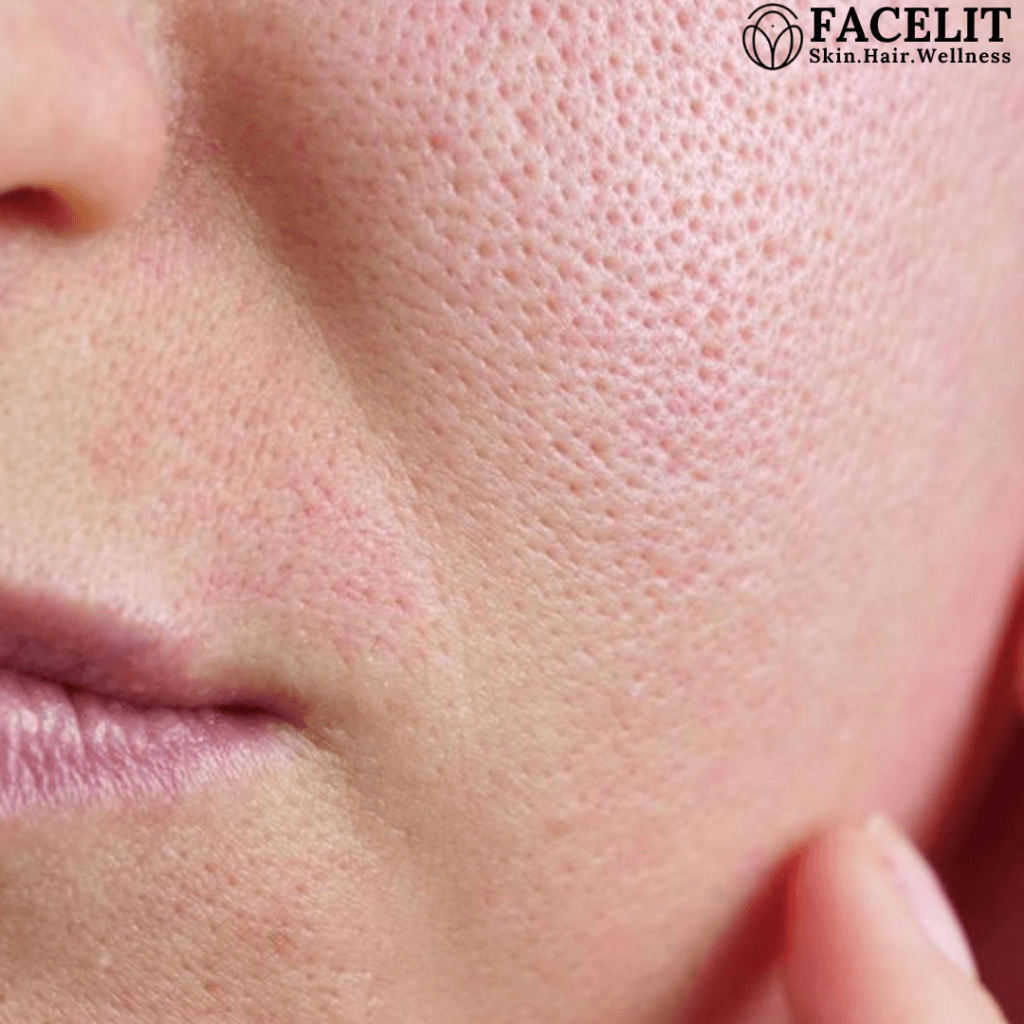
Clogged Pores? Here’s How to Get Rid of Them for Good Tired of battling stubborn blackheads, greasy skin, and clogged pores that just won’t clear—no matter what you try? You’re not alone. Whether it’s your nose, chin, or cheeks, clogged pores can make your skin look dull, bumpy, and hard to manage—even with the best cleansers and serums. But here’s the truth: most routines miss the deeper causes behind pore congestion. In this guide, you’ll discover real, dermatologist-backed strategies to unclog pores effectively and restore smooth, radiant skin—no gimmicks, just results. If you’re ready to stop guessing and start glowing, read on. Why Are My Pores Clogged in the First Place? Here’s the short version: pores get clogged when oil, dirt, dead skin, and leftover makeup settle in and get comfy. The more they sit, the deeper they get — eventually turning into blackheads, whiteheads, or full-blown acne. What causes it? Overactive oil glands Wearing makeup 24/7 Not cleaning your skin properly Sweat and pollution Using the wrong products for your skin Basically, your skin is trying to say “Help!” — and it’s time to listen How to Know If Your Pores Are Clogged Not sure if you’re dealing with clogged pores or just regular skin drama? Here’s how to tell: Skin feels bumpy, rough, or uneven You have blackheads or whiteheads that never go away Pores look bigger than they used to Makeup sits on top instead of blending in You’re constantly oily, but also dry in patches If any of this sounds familiar, keep reading — you’re going to want this. Let’s Fix It: The Daily Routine That Keeps Pores Clean Here’s what your skin is secretly begging you to do every day: 1. Ditch the Harsh Cleanser – Go Gentle, Twice a Day Yes, even if you’re oily. Stripping your skin just makes it pump out more oil. Look for a gentle, non-foaming cleanser that gets the job done without making your skin panic. 2. Use a Chemical Exfoliant – No More Scrubs Scrubbing might feel satisfying, but it can damage your skin barrier. Switch to a salicylic acid or glycolic acid exfoliant 2–3 times a week. These acids break down the stuff inside your pores without irritating your skin. 3. Moisturize — Yes, Even If You’re Oily Dehydrated skin = more oil = more clogged pores. Use a lightweight, oil-free moisturizer that keeps your skin hydrated without making it greasy. 4. Sunscreen, Always You’ve heard it before — but here’s the deal: sun damage makes pores bigger and clogs worse. Use a non-comedogenic SPF 30+ daily. No exceptions. Need to Deep Clean? Here’s What Works Sometimes your pores need more than a daily routine. That’s where these weekly treatments come in: Steam + Clay Mask Combo (At-Home Facial) Steam softens your skin and opens your pores. Follow with a clay or charcoal mask to draw out the impurities. Think of it like detoxing your face without the juice cleanse. Professional Extractions (The Safe Kind) DIY popping? Just don’t. If you’ve got stubborn blackheads, get them removed the right way with professional extractions at Facelit Clinic. No damage, no scars, just smooth skin. The Ingredients Your Pores Are Begging For Add these MVPs to your routine and watch your skin change: Salicylic Acid – Deep-cleans oily pores Glycolic Acid – Smooths out texture and dead skin Retinoids – Boosts cell turnover and unclogs everything Niacinamide – Controls oil and calms redness No idea where to start? That’s what pros at Facelit Clinic are for — they’ll build you a custom plan. Still Struggling? Facelit Clinic Has You Covered Let’s be real: sometimes your skin needs backup. At Facelit Clinic, you’re not just getting a generic facial. You’re getting personalized, science-backed treatments that actually work. Why Facelit Works for Clogged Pores: Advanced tools (like microdermabrasion & lasers) Medical-grade peels that clear congestion fast Skincare experts who know what works for your skin type No guesswork—just results Whether you need a full facial detox or serious treatment for textured skin, they’ve got your back. The Best Treatments to Unclog Deep Pores and Reveal Clearer Skin Clogged pores can lead to blackheads, breakouts, and an overall dull complexion. Fortunately, there are several professional treatments that can deeply cleanse your skin, improve texture, and help you achieve that fresh, radiant glow. Here are four of the most effective options: 1. HydraFacial with ExtractionsIf you’re looking for a treatment that combines deep cleansing with hydration and zero irritation, the HydraFacial is a game-changer. This multi-step procedure uses a specialized device to gently exfoliate the skin, perform painless extractions, and infuse customized serums that target your skin’s specific needs. The result? Instantly cleaner, smoother, and more nourished skin without redness or downtime. 2. MicrodermabrasionIdeal for anyone dealing with rough texture, clogged pores, or dull skin, microdermabrasion is a non-invasive exfoliation treatment that buffs away dead skin cells using a diamond-tipped wand or crystal spray. It improves skin texture immediately, helps products absorb better, and can even reduce the appearance of fine lines and dark spots over time. 3. Chemical PeelsA great choice for treating stubborn blackheads, acne, and uneven skin tone, chemical peels work by applying a specialized acid solution that exfoliates the top layers of skin. This process helps clear out congested pores, stimulate new cell growth, and leave your skin glowing. With different strengths available, your provider can tailor the peel to your skin’s sensitivity and goals—no major peeling or downtime required for most light to medium peels. 4. Laser TherapyIf you’re seeking long-term results, laser therapy is a powerful option. This high-tech treatment targets deep layers of the skin to shrink enlarged pores, reduce oil production, and improve overall skin texture. Over time, it not only keeps your pores clearer but also boosts collagen, which helps your skin look firmer and more youthful. Each of these treatments can be customized based on your skin type and concerns, so it’s always best to consult with a licensed skincare professional to
5 Best Ways to Treat Your Under-Eye Aging
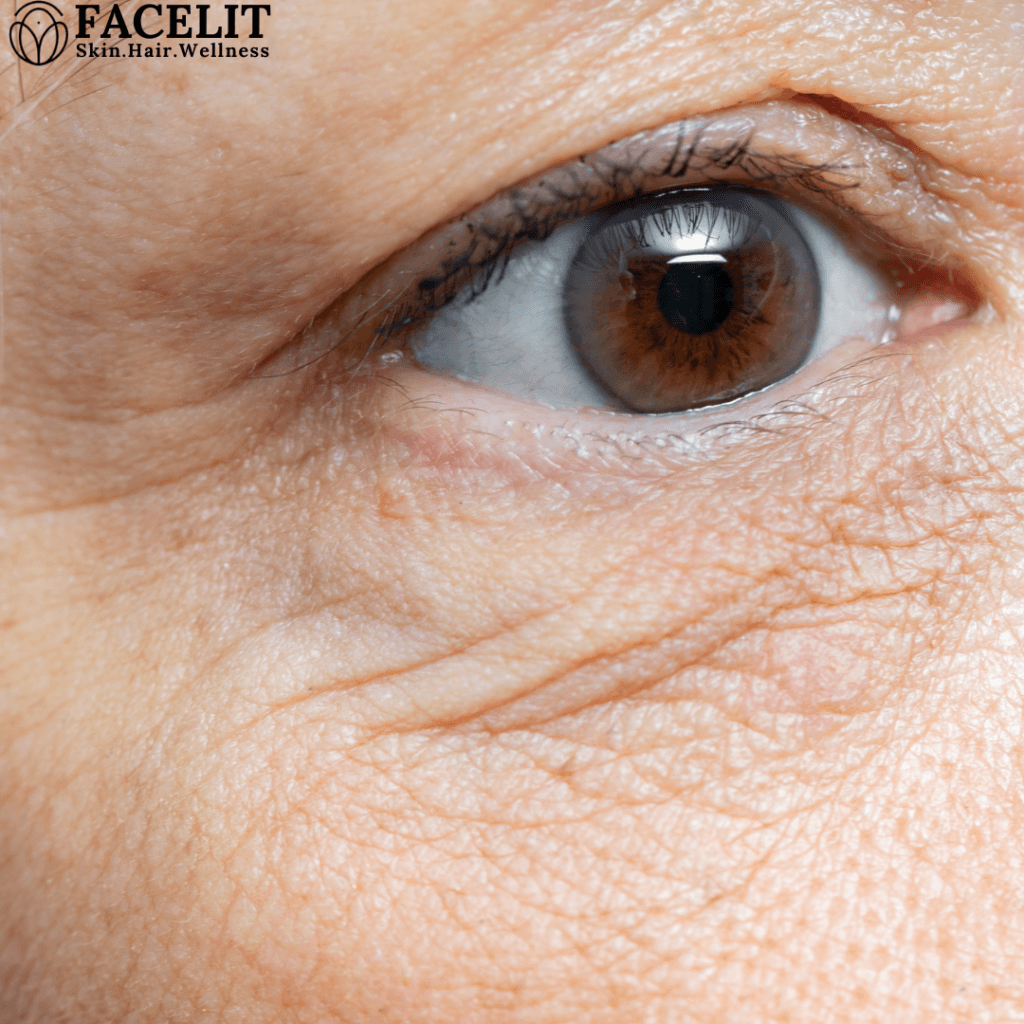
5 Best Ways to Treat Your Under-Eye Aging Under-eye aging is often one of the first visible signs of getting older because the skin beneath our eyes is among the thinnest and most delicate on the body. Fine lines, puffiness, dark circles, and sagging can create a tired appearance—even when we feel energized and well-rested. Fortunately, there are now a variety of effective options to restore this area and bring back a youthful, refreshed look. From daily skincare habits to advanced clinical treatments, there are solutions that suit different skin needs and lifestyles. With decades of experience in skin health and aesthetics, I’ve seen firsthand how the right approach can make a dramatic difference. Below are five of the most effective ways to treat under-eye aging—each offering a unique benefit in the journey toward brighter, smoother skin. 1. Medical-Grade Skincare: The First Line of Defense A consistent, high-quality skincare routine is crucial in maintaining youthful under-eye skin. Over-the-counter products may not be potent enough to deliver real results, which is why medical-grade skincare is essential. Ingredients like retinol, peptides, hyaluronic acid, and vitamin C work synergistically to combat signs of aging. How It Helps: Retinol boosts collagen production and reduces fine lines. Hyaluronic acid provides deep hydration and plumps the skin. Peptides enhance skin elasticity and repair damaged tissue. Vitamin C brightens dark circles and protects against environmental damage. 2. Injectable Treatments: Instant & Long-Lasting Rejuvenation Injectables like Botox and dermal fillers offer immediate and long-lasting improvement for under-eye concerns. Botox relaxes fine lines and crow’s feet, while hyaluronic acid fillers restore lost volume and reduce hollowness, creating a smoother and more youthful appearance. Why Choose Injectable Treatments? Quick procedure with little to no downtimeImmediate, natural-looking resultsSafe and FDA-approvedCustomizable to individual facial anatomy At Facelit Clinic, our expert injectors ensure precise, tailored treatments that enhance your natural beauty while maintaining facial harmony. 3. Laser Skin Resurfacing: Boost Collagen & Tighten Skin Laser treatments, such as fractional CO2 laser and RF microneedling, are excellent options for reducing fine lines, improving skin texture, and addressing under-eye pigmentation issues. These treatments work by stimulating collagen production, which leads to firmer, smoother, and brighter skin over time. Key Benefits: Minimally invasive with rapid recoveryStimulates long-term collagen regenerationEffective for fine lines, wrinkles, and dark circlesSafe for all skin types when performed by experts Facelit Clinic uses the latest laser technology to ensure maximum efficacy with minimal downtime. 4. PRP (Platelet-Rich Plasma) Therapy: Harness Your Body’s Healing Power PRP therapy, commonly known as the “PRP Face Treatment,” is a revolutionary treatment that utilizes your body’s natural healing factors to repair and rejuvenate the under-eye area. This process involves extracting platelet-rich plasma from your blood and injecting it into the targeted area to stimulate collagen production, reduce dark circles, and improve skin elasticity. Why PRP Works: Natural and safe with no synthetic chemicalsImproves skin tone, texture, and elasticityReduces dark circles and fine linesLong-lasting, progressive results At Facelit Clinic, we combine PRP therapy with other advanced techniques to maximize rejuvenation outcomes. Why Trust Facelit Clinic for Your Under-Eye Rejuvenation? With decades of expertise in aesthetic treatments, Facelit Clinic is a trusted leader in non-surgical and surgical solutions for under-eye aging. Our team of specialists uses the latest technology and personalized treatment plans to achieve natural, youthful, and long-lasting results. Our Commitment to You: Expert practitioners with extensive experience State-of-the-art technology for precision and safety Customized treatments tailored to your unique needs A focus on natural and long-lasting results Ready to refresh your under-eye area and reclaim your youthful glow? Book a consultation with Facelit Clinic today to explore the best options for you. Say goodbye to tired-looking eyes and hello to a youthful, radiant you! View this post on Instagram A post shared by facelit (@facelitclinics) FAQ Section: 1. What causes under-eye aging? Under-eye aging is primarily caused by collagen loss, reduced skin elasticity, sun damage, genetics, and lifestyle factors such as poor sleep, smoking, and dehydration. 2. How can I prevent under-eye wrinkles and fine lines? To prevent under-eye wrinkles, use sunscreen daily, stay hydrated, maintain a healthy diet, and use medical-grade skincare with retinol and peptides. Regular treatments like PRP and laser therapy can also help. 3. Are under-eye fillers safe? Yes, hyaluronic acid fillers are FDA-approved and considered safe when administered by a skilled professional. They provide natural-looking volume and hydration to reduce hollowness and wrinkles. 4. How long do Botox and fillers last under the eyes? Botox lasts 3-4 months, reducing fine lines by relaxing muscles. Dermal fillers typically last 6-12 months, depending on the type used and individual metabolism. 5. What is the best treatment for dark circles? The best treatment depends on the cause: Pigmentation-based dark circles → Laser therapy & medical-grade skincare Hollow under-eyes → Dermal fillers Poor circulation & thin skin → PRP therapy & collagen-boosting treatments 6. How does PRP (Platelet-Rich Plasma) therapy work for under-eye aging? PRP uses your own platelet-rich plasma to stimulate collagen production and improve skin texture, reducing dark circles, fine lines, and puffiness naturally. 7. How long do the results of laser hair reduction last? Most patients experience mild discomfort during the procedure, but numbing creams are applied to minimize pain. Recovery time varies from a few days to a week, depending on the laser type. 8. What is the downtime for under-eye treatments? Botox & fillers → Minimal to no downtime PRP therapy → 24-48 hours of mild redness Laser treatments → 3-7 days of mild peeling or swelling Blepharoplasty (surgery) → 1-2 weeks of recovery time 9.What lifestyle changes can help maintain under-eye treatment results? To extend the longevity of your under-eye treatments, follow these expert tips: Use sunscreen daily to prevent sun damage. Stay hydrated to maintain skin elasticity. Follow a healthy diet rich in vitamins C and E for skin repair. Avoid smoking & excessive alcohol, as they accelerate aging. Stick to a medical-grade skincare routine with retinol, peptides, and hyaluronic acid. 10. How soon can
Best Laser Treatment for Deep Acne Scars
Best Laser Treatment for Deep Acne Scars – Transform Your Skin at Facelit Clinic Acne scars can be more than just skin deep—they often carry emotional weight, affecting self-esteem and the way we feel in our own skin. While over-the-counter creams, serums, and home remedies might offer some relief for mild scarring, deeper acne scars usually require professional intervention to see real, lasting results. That’s where advanced laser treatments come in. These technologies go beyond the surface, targeting scar tissue deep within the skin to promote healing, smooth texture, and restore a more even complexion. By stimulating collagen production and resurfacing damaged layers of skin, laser therapy offers one of the most effective and scientifically proven solutions for treating deep acne scars. Understanding Deep Acne Scars Deep acne scars form when breakouts penetrate deep into the skin, causing permanent tissue damage. There are three main types of deep acne scars: Ice Pick Scars: Small, narrow, and deep holes in the skin that resemble punctures. Boxcar Scars: Wide, U-shaped depressions with defined edges. Rolling Scars: Uneven, wave-like indentations due to fibrous tissue pulling the skin down. These scars are difficult to treat with over-the-counter products, making laser therapy the most effective solution for resurfacing and regenerating the skin. Best Laser Treatments for Deep Acne Scars 1. Fractional CO2 Laser – The Gold Standard for Deep Acne ScarsHow It Works: The Fractional CO2 Laser creates microscopic wounds in the skin, triggering the body’s natural healing response. This process boosts collagen production, helping to smooth out deep acne scars. The treatment is highly effective for severe and stubborn scars. Why Choose It? Best for deep ice-pick and boxcar scars Provides dramatic skin resurfacing Long-lasting results with minimal sessions 2. Nd-YAG Laser – Precision and Gentleness Combined How It Works: The Nd-YAG Laser precisely removes the top layer of damaged skin, encouraging fresh, healthy skin to replace it. It offers a more controlled approach, making it ideal for sensitive skin types. Why Choose It? Best for moderate acne scarring Less downtime than CO2 lasers Enhances overall skin texture and tone 3. Non-Ablative Laser – Gentle Yet Effective for Skin Rejuvenation How It Works: Unlike ablative lasers, this treatment penetrates deeper layers of the skin without damaging the surface. It stimulates collagen production gradually, resulting in smoother, firmer skin over time. Why Choose It? Best for mild to moderate scars Minimal downtime and quick recoverySafe for all skin tones 4. Pico Laser—The Fast and Advanced Solution for Acne Scars How It Works: Uses ultra-short pulses of energy to break down scar tissue. Enhances skin regeneration, making it great for pigmented scars and post-inflammatory marks. Provides fast results with fewer sessions compared to other lasers. Why Choose It? Best for dark acne scars and pigmentation issues Safe for darker skin tones Quick recovery with visible improvement in fewer sessions Why Choose Facelit Clinic for Your Acne Scar Treatment? At Facelit Clinic, we don’t just treat acne scars—we create a personalized skin transformation journey tailored just for you. Here’s what sets us apart: 1. Expert Dermatologists: Our specialists have extensive experience in laser treatments and tailor each procedure to your unique skin type and individual needs. 2. Advanced Laser Technology: We use FDA-approved, state-of-the-art equipment to deliver safe and effective results. 3. Customized Treatment Plans: We assess your skin and create a personalized approach to ensure the best outcome. 4. Comprehensive Aftercare: Our team provides detailed post-treatment care to help you achieve fast healing and long-lasting results. 5. Affordable & Flexible Payment Plans: High-quality treatments should be accessible to everyone, which is why we offer custom payment options to suit your budget. What to Expect During & After Your Laser Treatment Treatment Time: Laser sessions take between 30 to 60 minutes, depending on the type of laser used. Comfort Level: Most treatments are well-tolerated, but we apply numbing cream beforehand to minimize discomfort. Downtime & Recovery: Fractional CO2 Laser: 5-7 days of redness and peeling. Er:YAG Laser: 3-5 days of mild swelling and flaking. Non-Ablative Laser: No downtime, only slight redness for a few hours. Pico Laser: Minimal downtime, skin may feel warm for a day. Results Timeline: Initial improvements can be seen in 1-2 weeks. Best results appear over 3-6 months as collagen rebuilds Ready to Get Rid of Acne Scars? Book Your Consultation Today! If you’re tired of feeling self-conscious about acne scars, it’s time to take action. At Facelit Clinic, we’re dedicated to helping you achieve smoother, healthier skin with cutting-edge laser treatments tailored to your unique needs. Schedule Your FREE Consultation Today! Your journey to flawless, confident skin starts here—let Facelit Clinic help you shine! View this post on Instagram A post shared by facelit (@facelitclinics) FAQ Section: 1.What is the best laser treatment for deep acne scars? The best laser treatment depends on your scar type and skin condition. Fractional CO2 laser is highly effective for deep scars, while Pico laser and Er:YAG laser are great for less aggressive treatments. 2. How many laser sessions do I need to remove acne scars? Most patients require 3-6 sessions for significant improvement, but the number of treatments varies based on scar depth and skin type. 3. Is laser treatment for acne scars painful? Laser treatments may cause mild discomfort, but a numbing cream is applied to minimize pain. The level of discomfort varies based on the type of laser used. 4. How long does it take to see results after laser acne scar treatment? Initial improvements can be seen in 1-2 weeks, but the best results appear within 3-6 months as collagen production increases. 5. Is laser treatment safe for all skin types? Yes, but some lasers are better suited for darker skin tones. Pico laser and non-ablative lasers are safer options for darker complexions. 6. What is the downtime after laser acne scar removal? Downtime depends on the laser used: CO2 Laser Fractional: 5-7 days Er:YAG Laser: 3-5 days Non-Ablative & Pico Laser: Minimal downtime (1-2 days of mild redness) 7.Can laser treatment