
How Smartphones Damage Your Skin & How to Prevent It

How Smartphones Damage Your Skin & How to Prevent It We’re all glued to our phones. Whether it’s scrolling Instagram, texting, or binge-watching Reels, our screens are basically an extension of our hands. But what if your smartphone was slowly damaging your skin? Yep, it’s real. From acne to wrinkles, your device could be secretly sabotaging your glow. Let’s talk about how — and more importantly — how to stop it. The Modern Epidemic: Screen Time and Skin Damage Ever noticed your skin looking dull after a long day of screen time? You’re not imagining it. Spending hours with your face lit by that tiny screen leads to what experts call “digital aging.” Our skin isn’t just reacting to the environment anymore—it’s reacting to technology. The result? A cocktail of skin concerns we never saw coming a decade ago. Types of Smartphone-Related Skin Damage Blue Light Exposure Smartphones emit high-energy visible (HEV) blue light, which penetrates deep into your skin — even deeper than UV rays. This exposure contributes to: Collagen breakdown Inflammation Oxidative stressThe long-term result? Fine lines, premature aging, and dull skin. Tech Neck Scrolling with your neck bent causes skin creases that eventually become permanent wrinkles. It’s like giving gravity a helping hand. Bacterial Transfer and Acne Your phone likely carries more bacteria than a toilet seat. Pressing that bacteria onto your cheeks and jawline = breakouts. Combine that with oil, makeup, and sweat? Acne central. Premature Aging Phones + blue light + poor posture = a perfect storm for early signs of aging like: Crow’s feet Sagging cheeks Marionette lines Hyperpigmentation Too much screen time? You might notice dark spots or uneven tone. That’s blue light again, causing excess melanin production. Eye Strain and Skin Side Effects When your eyes are tired, your face shows it. Think: Puffy eyes Dark circles Tired-looking skin The Science Behind It Blue Light and Collagen Breakdown Collagen is what keeps your skin firm. Blue light damages fibroblasts (the cells that produce collagen), leading to visible aging. Circadian Rhythm Disruption Late-night scrolling? It throws off your body clock, affecting melatonin production—a hormone critical to skin repair and regeneration. How to Prevent Skin Damage from Smartphones 1. Limit Screen Time Start with small changes: Set app timers Use the “Do Not Disturb” mode after 9 PM 2. Use Blue Light Filters Turn on Night Shift or Eye Comfort Mode. Better yet, install a blue light screen protector. 3. Clean Your Phone Daily Use alcohol wipes or UV sanitizers. Your skin will thank you. 4. Antioxidant-Rich Skincare Look for products with: Vitamin C Green tea NiacinamideThey help fight free radical damage. 5. Improve Your Posture Raise your phone to eye level instead of bending your neck. Bonus: less strain on your spine, too. 6. Schedule Digital Detoxes Unplug for a few hours each weekend. Let your skin (and mind) breathe. Skincare Treatments That Help At Facelit Clinic, we offer targeted treatments to reverse the damage smartphones cause: LED Light Therapy Heals skin at the cellular level, reducing inflammation and boosting collagen. Microneedling Stimulates skin repair and fades pigmentation. Hydrafacials Deep clean + hydration = instant glow. Anti-aging Facials Custom facials that target fine lines and tech neck wrinkles. Laser Resurfacing For deeper issues like pigmentation and early signs of aging. Choosing the Right Skincare Routine Daytime: Cleanser Vitamin C serum Moisturizer with SPF Blue light protection spray Nighttime: Double cleanse Retinol or peptide serum Hydrating night cream Lifestyle Tips to Boost Skin Health Eat clean: Focus on leafy greens, berries, omega-3s Sleep 7–9 hours: Your skin repairs while you rest Manage stress: Try journaling, yoga, or therapy Conclusion Your smartphone might be hurting more than your eyes—it’s silently aging your skin too. But the good news? You can take control today. Start by making small changes, and for everything else, Facelit Clinic has your back (and face). FAQ Section: 1. How exactly does my smartphone damage my skin? Your phone emits blue light, collects bacteria, and encourages poor posture—all of which contribute to skin issues like wrinkles, acne, and pigmentation over time. 2. Can using my phone in the dark make skin problems worse? Yes! Using your phone in the dark increases blue light exposure, which disrupts your sleep and slows down nighttime skin repair, leading to dull and tired-looking skin. 3. Is blue light from my phone really as bad as UV rays? While not as intense as UV rays, blue light can penetrate deeper into the skin and trigger long-term aging, pigmentation, and collagen damage. 4. How often should I do a digital detox to help my skin? Aim for at least a few hours each weekend with zero screen time, and give your skin a break before bed daily by turning off devices at least 1 hour before sleeping. 5. What skincare ingredients protect against blue light? Look for antioxidants like Vitamin C, Niacinamide, Ferulic Acid, and SPF with blue light filters. These help neutralize free radicals caused by screen exposure. 6. Will cleaning my phone really help reduce breakouts? Absolutely! Your phone carries bacteria, oil, and makeup. Wiping it daily can significantly reduce jawline and cheek acne caused by phone-to-skin contact. 7. What is ‘Tech Neck’ and how can I avoid it? Tech Neck is the sagging and wrinkling of your neck skin due to constant bending while using phones. Avoid it by holding your phone at eye level and maintaining good posture. 8. How can Facelit Clinic help reverse phone-related skin damage? Facelit Clinic offers targeted treatments like LED light therapy, microneedling, and anti-aging facials that restore, renew, and protect your skin from tech-induced damage. 9. Can phone damage to the skin be completely reversed? While not all damage can be undone, early intervention with the right skincare and professional treatments can greatly improve skin texture, tone, and firmness. 10. When should I visit a skin clinic for smartphone-related issues? If you’re noticing persistent acne, wrinkles, or pigmentation that home care isn’t fixing, it’s time to consult
How to Choose the Right Facial for Your Skin Type
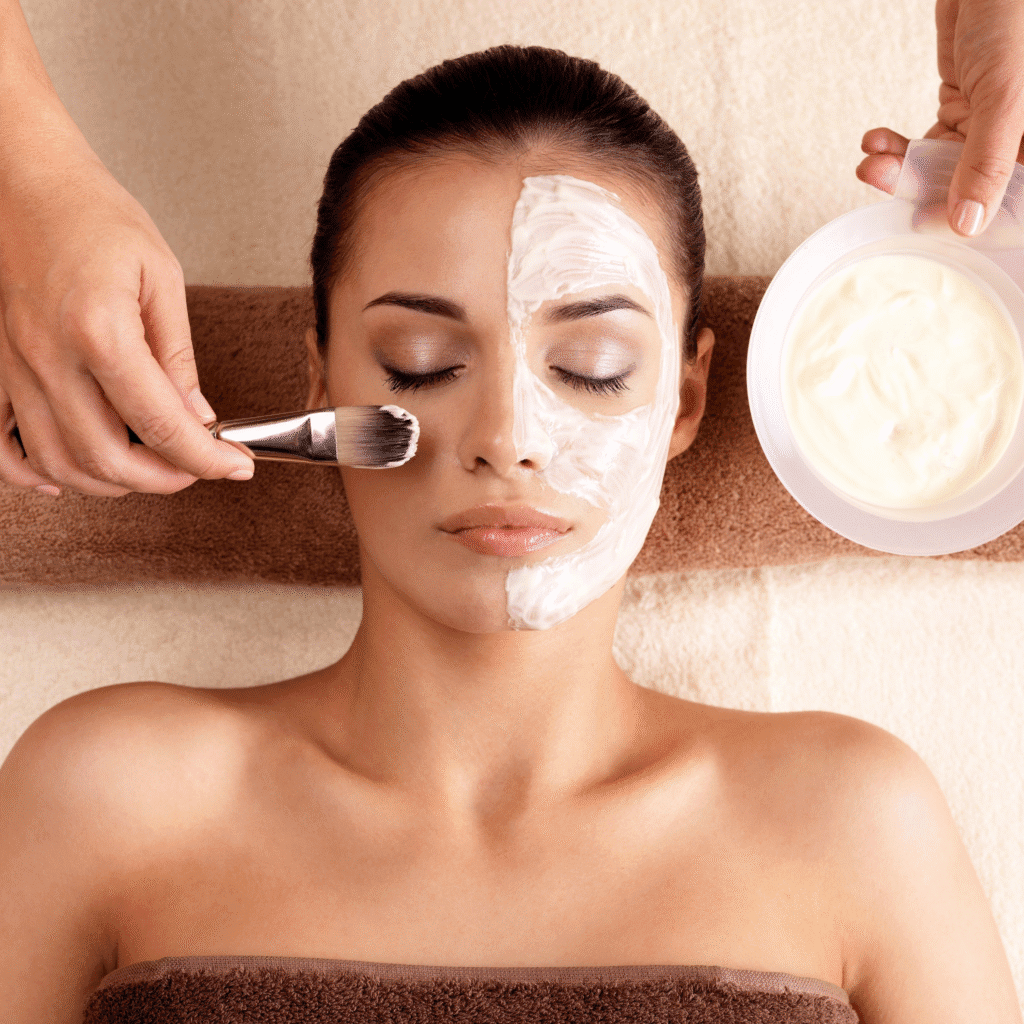
How to Choose the Right Facial for Your Skin Type and Tan Concerns Let’s face it—we’ve all struggled with dull, tanned, or patchy skin after a vacation or long day in the sun. But slathering on random products doesn’t cut it anymore. Choosing the right facial tailored to your skin type and tan concerns is the key to reviving your glow and keeping your skin happy. In this article, we’ll break down how to identify your skin type, understand the effects of tanning, and pick the most effective facial treatment—whether you’re dealing with sun damage, oiliness, or sensitive skin. And if you’re looking for real results, we’ll show you why Facelit Clinic should be your go-to skincare destination. Understanding Your Skin Type Before we even think about choosing a facial, you need to understand what type of skin you have. Here’s a quick rundown: Normal Skin Balanced, smooth, and not too oily or dry—this is the dream team of skin types. You can handle most facials but still need to address any tanning issues. Oily Skin Your skin produces excess sebum, leading to a shiny appearance and often breakouts. Tanning can worsen the appearance of blemishes and dark spots. Dry Skin Flaky, tight, or rough? Dry skin needs hydration. But when paired with sun exposure, you’re also at risk for accelerated aging and uneven tan. Combination Skin A mix of oily (usually T-zone) and dry areas. Picking a facial here can be tricky but rewarding when done right. Sensitive Skin Gets red, itchy, or irritated easily? Then you need gentle facials with calming ingredients that also address tan without inflammation. What Causes Tanning and Skin Damage? Understanding what’s harming your skin can help you treat it better. UV Exposure The #1 culprit for tanning and pigmentation. Prolonged sun exposure triggers melanin production as a defense mechanism, which leads to darker skin. Pollution & Free Radicals Dust, smog, and other environmental toxins oxidize your skin and intensify tanning and aging. Lifestyle Habits Skipping sunscreen, dehydration, and even stress can affect how your skin looks and feels after sun exposure. Types of Facials and Their Benefits There’s no one-size-fits-all. Let’s explore some options: Classic Facial Basic cleansing, exfoliation, and massage. Great for a quick refresh but not strong on de-tanning. Hydrafacial Uses vortex technology to deeply cleanse and hydrate. It’s non-invasive and great for all skin types, especially dull and tired-looking skin. Brightening or De-Tan Facials These focus on pigmentation and sun damage using ingredients like kojic acid, lactic acid, and fruit enzymes. Anti-Aging Facials Target fine lines and tanning-induced aging with collagen boosters and peptides. Acne-Control Facials Best for oily or acne-prone skin. They clear out pores and reduce inflammation, perfect when sun exposure triggers breakouts. Chemical Peels Not exactly a facial, but a professional-grade treatment that exfoliates deeper layers of the skin for intense tan removal. View this post on Instagram A post shared by facelit (@facelitclinics) Best Facials for Tanned Skin Fruit Enzyme Facials Natural enzymes from papaya, pineapple, etc., gently exfoliate and reduce tan without irritation. Vitamin C Facials Brighten the skin and neutralize sun damage. Think of this as lemonade for your face. De-Tan Facials with Natural Ingredients Cucumber, aloe vera, and sandalwood-infused facials that cool the skin and soothe post-sunburn damage. Facials with Lactic or Kojic Acid These lighten pigmentation while boosting skin clarity, ideal for stubborn tan patches. Choosing the Right Facial for Your Skin Type Oily Skin with Tan Go for deep cleansing facials with clay masks and glycolic acid. Hydrafacials are also excellent for oil control. Dry Skin with Tan Choose facials with hyaluronic acid or aloe vera. Stay away from harsh scrubs and opt for hydrating de-tan facials. Sensitive Skin with Tan Mild enzyme or rose-based facials work best. Look for calming ingredients like chamomile or oatmeal. Combination Skin with Tan Customized facials like those at Facelit Clinic can treat your oily and dry zones differently in the same session. Why Choose Facelit Clinic for Your Skin Needs Expert Dermatologists and Therapists You’re in the hands of seasoned pros who analyze your skin before recommending any treatment. Customized Treatments We don’t believe in one-size-fits-all. Every facial is tailored to your unique skin and tan concerns. Safe, High-Quality Products No harsh chemicals, only clinically tested, skin-friendly products that give results without side effects. Happy Clients and Proven Results Thousands trust us with their skin, and the before-and-after transformations speak for themsel Conclusion Choosing the right facial isn’t just about pampering—it’s about healing, protecting, and transforming your skin. Whether you’re dealing with oily, dry, or sensitive skin and need help with tan removal, there’s a perfect facial waiting for you. And if you want visible results without the guesswork, Facelit Clinic is your ultimate destination. With expert care, personalized treatments, and top-notch products, your skin is in safe, glowing hands. View this post on Instagram A post shared by facelit (@facelitclinics) FAQ Section: 1. How do I know what my skin type is before choosing a facial? You can identify your skin type by observing how your skin behaves throughout the day. Oily skin tends to get shiny, dry skin feels tight or flaky, and combination skin has both dry and oily areas (usually oily in the T-zone). If you’re unsure, a quick consultation at Facelit Clinic includes a free skin analysis to help you out. 2. Can a single facial completely remove my tan? Not always. While many facials show visible improvement after just one session, deep tans may require a few treatments. Consistency and proper aftercare are key to achieving long-lasting results. 3. What’s the safest facial option for sensitive skin with sunburn or tanning? For sensitive or sunburned skin, opt for a gentle enzyme-based or cucumber facial. These soothe the skin while targeting tan. Avoid harsh scrubs or strong acids unless supervised by a skin expert. 4. How often should I get a facial to manage tanning? For tan-prone skin, getting a facial every 3 to 4 weeks is ideal.
How Does Microneedling Help Rejuvenate and Brighten the Skin
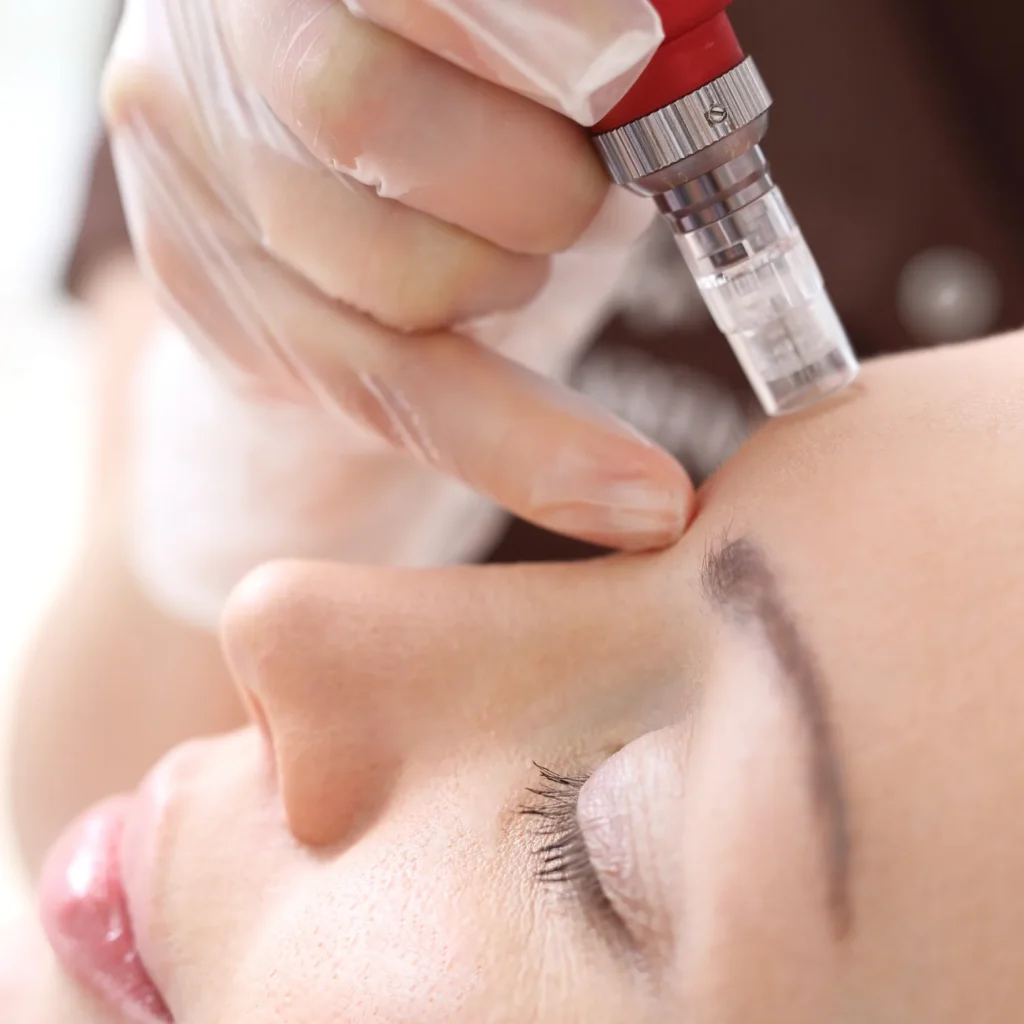
How Does Microneedling Help Rejuvenate and Brighten the Skin In today’s world of advanced skincare, microneedling has emerged as a popular and effective treatment for those looking to achieve smoother, brighter, and more youthful skin. But how exactly does this procedure work, and what makes it so powerful in skin rejuvenation? Let’s break down the science, benefits, and real-world results of microneedling—and how it could help solve your skin concerns. What is Microneedling? Microneedling, also known as collagen induction therapy, is a minimally invasive cosmetic procedure that uses fine needles to create tiny, controlled punctures (micro-injuries) on the skin’s surface. These micro-injuries trigger the skin’s natural healing process, leading to the production of collagen and elastin, two essential proteins that keep the skin firm, smooth, and youthful. Common Skin Concerns Microneedling Addresses If you’re struggling with any of the following, microneedling may be the solution you’ve been searching for: Dull, tired-looking skin Fine lines and wrinkles Acne scars and other types of scarring Hyperpigmentation or uneven skin tone Enlarged pores Stretch marks Rough skin texture How Microneedling Rejuvenates and Brightens the Skin 1. Stimulates Collagen and Elastin Production As we age, our natural collagen levels decline, leading to sagging and dullness. Microneedling stimulates the body to produce fresh collagen, improving skin firmness and elasticity. Over time, this results in plumper, more resilient skin. 2. Improves Skin Texture The micro-injuries trigger skin regeneration. As new skin cells form, old, damaged skin is replaced, reducing rough patches and smoothing out the skin’s surface. 3. Reduces Hyperpigmentation Microneedling helps break up clusters of melanin and encourages an even distribution of pigment. This makes it effective for brightening areas of sun damage, age spots, and post-acne marks. 4. Enhances Absorption of Skincare Products The micro-channels created during the procedure allow topical serums (like vitamin C or hyaluronic acid) to penetrate deeper into the skin. This significantly boosts their effectiveness and enhances overall results. 5. Minimizes Fine Lines and Wrinkles By boosting collagen production, microneedling softens the appearance of fine lines and wrinkles, particularly around delicate areas like the eyes, mouth, and forehead. What to Expect During and After the Procedure Microneedling typically takes 30–60 minutes, depending on the treatment area. A numbing cream is applied beforehand to minimize discomfort. After treatment, the skin may appear red and slightly swollen, similar to a mild sunburn—this typically subsides within 24–72 hours. Post-Treatment Tips: Avoid sun exposure for a few days Use gentle, hydrating skincare products Avoid makeup for 24 hours Stay hydrated and apply sunscreen daily Results are usually visible after the first session, but a series of 3–6 treatments spaced 4–6 weeks apart yields the best outcomes. Is Microneedling Right for You? Microneedling is suitable for most skin types and tones. It’s a great choice if you’re looking for a non-surgical, natural approach to improving your skin’s appearance. However, those with active acne, eczema, or certain skin conditions should consult a dermatologist before proceeding. Final Thoughts Microneedling is more than a trend—it’s a science-backed solution for anyone looking to rejuvenate and brighten their skin. Whether you’re dealing with acne scars, uneven tone, or simply want to restore that healthy glow, microneedling offers a safe and effective path to visibly improved skin. FAQ Section: 1. What is microneedling, and how does it work? Microneedling is a cosmetic procedure that uses tiny needles to create micro-injuries in the skin. This stimulates the body’s natural healing response, boosting collagen and elastin production to improve skin texture, tone, and brightness. 2. Is microneedling painful? Most people experience only mild discomfort. A numbing cream is applied before the procedure to minimize pain. You may feel a slight tingling or prickling sensation during treatment. 3. How many sessions do I need to see results? While some improvement can be seen after one session, most people need 3–6 treatments spaced 4–6 weeks apart for optimal and lasting results. 4. What skin issues does microneedling help with? Microneedling can treat: Fine lines and wrinkles Acne scars and other scarring Hyperpigmentation Uneven skin tone Enlarged pores Stretch marks Dull, tired-looking skin 5. Can microneedling brighten my skin? Yes, microneedling helps brighten the skin by promoting cell turnover, reducing pigmentation, and allowing brightening serums (like Vitamin C) to penetrate more effectively. 6. Is there any downtime after microneedling? Mild redness and sensitivity may occur for 1–3 days after treatment, similar to a sunburn. Most people return to normal activities within 24–48 hours. 7. When will I start seeing results? Some notice smoother, brighter skin within a week, but the full benefits—especially collagen remodeling—develop over 4–6 weeks after each session. 8. Is microneedling safe for all skin types? Yes, microneedling is generally safe for all skin tones. However, people with certain conditions (e.g., active acne, eczema, or rosacea) should consult a professional before treatment. 9. Can I do microneedling at home? There are at-home dermarollers, but they are less effective and carry a higher risk of infection or improper use. Professional microneedling is more controlled, hygienic, and results-driven. 10. What should I avoid after microneedling? For at least 24–48 hours, avoid: Direct sun exposure Makeup Harsh skincare products (retinol, acids) Sweating or heavy exercise Touching your face with unwashed hands Schedule Your Appointment Skin | Hair | Body | Bridal Holistic Hair, Skin & Body Treatments Tailored For You Fill in your details and our team will contact you shortly for a confirmation on your registered mobile number. *Please note that this form does not confirm an appointment. Our team will get in touch with you shortly for a confirmation on your registered mobile number.
How to Fade Acne Scars on Dark Skin
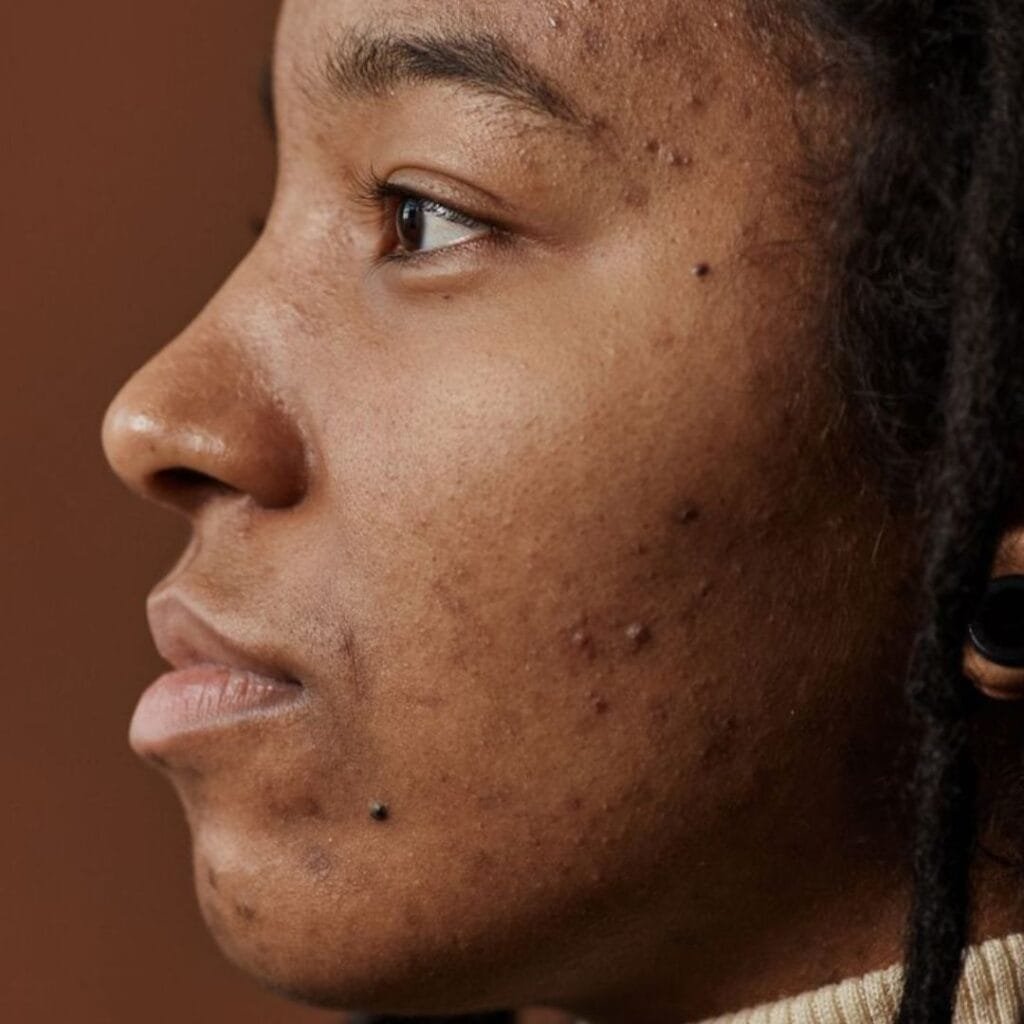
How to Fade Acne Scars on Dark Skin: 6 Expert Tips That Actually Work Acne scars are tough—but when you have melanin-rich skin, fading those dark marks can feel even more frustrating. Why? Because darker skin tones are more prone to post-inflammatory hyperpigmentation (PIH), meaning even a small pimple can leave behind a lingering dark spot for weeks or months. But here’s the good news: with the right approach, you can fade acne scars without damaging your natural skin tone. This isn’t just surface-level advice—this is a breakdown of what dermatologists actually recommend for fading scars safely and effectively on dark skin. Let’s dive into the real solutions that work. Persistent Dark Spots That Won’t Fade Solution: Use Targeted Brightening Ingredients That Are Safe for Melanin-Rich Skin Dark spots are usually the result of excess melanin production after acne heals. Here’s what actually works: Niacinamide (Vitamin B3): Reduces pigment production and improves skin barrier. Azelaic Acid: Kills acne bacteria and fades hyperpigmentation without irritation. Vitamin C (Ascorbic Acid): Fades dark spots, boosts collagen, and evens skin tone. Tranexamic Acid: Proven to target stubborn hyperpigmentation in darker skin tones. How to Apply It Effectively: Use these ingredients once daily (preferably at night) on clean, dry skin. Layer them under your moisturizer. Dermatologist Tip: Avoid hydroquinone unless prescribed and monitored by a doctor. Overuse can cause exogenous ochronosis, a condition that causes dark blue-black patches, especially in deeper skin tones. Scars Keep Coming Back or Getting Worse Solution: Control Active Acne First Fading scars is impossible if new breakouts keep coming. Prevent new scars by: Using salicylic acid (BHA): Clears clogged pores and prevents inflammation. Trying adapalene (Differin): A gentler over-the-counter retinoid safe for dark skin. Avoiding pore-clogging products: Look for “non-comedogenic” and oil-free labels. Bonus Tip: Get a skin analysis or see a dermatologist to identify acne triggers—hormones, diet, or hair products may be playing a hidden role. Products Burn, Sting, or Cause More Discoloration Solution: Build a Gentle, Consistent Routine That Supports Your Skin Barrier Dark skin is more reactive to irritation, which can trigger even more pigmentation. Here’s a dermatologist-approved 4-step routine for fading acne scars on dark skin: Cleanser: Use a gentle, sulfate-free cleanser. Treatment: Apply one brightening ingredient (vitamin C, azelaic acid, etc.). Moisturizer: Use something simple and hydrating—no added fragrance or alcohol. Sunscreen: Apply SPF 30+ every morning, without fail. Top Picks for Dark Skin Sunscreens: Black Girl Sunscreen SPF 30 EltaMD UV Clear (tinted version avoids white cast) La Roche-Posay Anthelios Mineral SPF (tinted) Hyperpigmentation Takes Forever to Fade Solution: Use Exfoliation + Patience + Sun Protection Acne scars won’t disappear overnight—but you can speed up the process. Use exfoliants wisely: AHAs (like glycolic acid or lactic acid): Gently resurface skin. BHAs (like salicylic acid): Penetrate pores and prevent acne. How Often to Exfoliate? Start with 1–2 times a week. If your skin tolerates it well, increase to 3 times. Always moisturize afterward. Never mix exfoliants with harsh actives (like retinol or benzoyl peroxide) without professional guidance—it can backfire on darker skin. Dark Spots Stay Even with a Routine Solution: Consider Professional Treatments Specifically Designed for Dark Skin Not every treatment is safe for melanin-rich skin. These are Microneedling (with PRP) Stimulates collagen, breaks up pigment, and evens out texture. Chemical Peels (like Mandelic or Lactic Acid Peels) Safe peels designed for dark skin can significantly fade dark marks in 4–6 sessions. Laser Treatments (ONLY with a Dark Skin Specialist) Certain lasers (like PICO Laser) are safer for deep skin tones but must be handled by an expert. Others can cause permanent pigmentation damage if misused. Pro Tip: Ask your dermatologist about treatments tested on Fitzpatrick Skin Types IV–VI. Picking at Pimples or Scabs Solution: Train Yourself Not to Touch & Use Protective Spot Care Picking causes inflammation and deeper scars—especially for melanin-rich skin. Instead, try: Hydrocolloid patches: Draw out fluid while protecting the skin from your fingers. Cold compress: Reduces inflammation and soothes redness quickly. Mindset Shift: Your goal isn’t to get rid of pimples fast—it’s to prevent long-term scarring. Final Thoughts: You CAN Fade Acne Scars on Dark Skin—But You Need the Right Strategy Dark skin is beautiful—but it needs unique care. Most off-the-shelf products or online hacks don’t consider the challenges of hyperpigmentation on melanin-rich skin. By using safe brightening ingredients, sun protection, and consistent habits, you can take real control of your skin’s healing process. When to See a Dermatologist: If your scars aren’t improving after 3–4 months If you’re unsure what products are safe If you want professional treatments that won’t harm your skin tone View this post on Instagram A post shared by facelit (@facelitclinics) FAQ Section: 1. How long does it take for acne scars to fade on dark skin? For dark skin, acne scars—especially post-inflammatory hyperpigmentation—can take 3 to 6 months to fade with proper care. Without treatment, they can linger for over a year. Consistency with the right skincare ingredients speeds up the process significantly. 2. What’s the best ingredient to fade dark spots on melanin-rich skin? Niacinamide, azelaic acid, and vitamin C are top choices. They target pigmentation safely without irritating dark skin. Azelaic acid, in particular, is effective for both acne and discoloration and is well tolerated by deeper skin tones. 3. Can sunscreen really help fade acne scars? Absolutely. Without sunscreen, UV rays make dark spots worse and longer-lasting. Wearing SPF 30 or higher daily prevents pigmentation from deepening and allows healing ingredients to work more effectively. 4. Are chemical peels safe for dark skin? Yes, but only specific types. Mandelic acid, lactic acid, and glycolic acid peels at low concentrations are safe when applied by a professional experienced with darker skin tones. Avoid harsh or deep peels that can trigger post-inflammatory hyperpigmentation (PIH). 5. Will exfoliating help fade my scars, or make them worse? Gentle exfoliation 1–3 times a week can help fade dark spots by removing dead skin cells and stimulating turnover. But over-exfoliating can damage the skin
Hollywood Laser Peel Can Every Skin Type Benefit
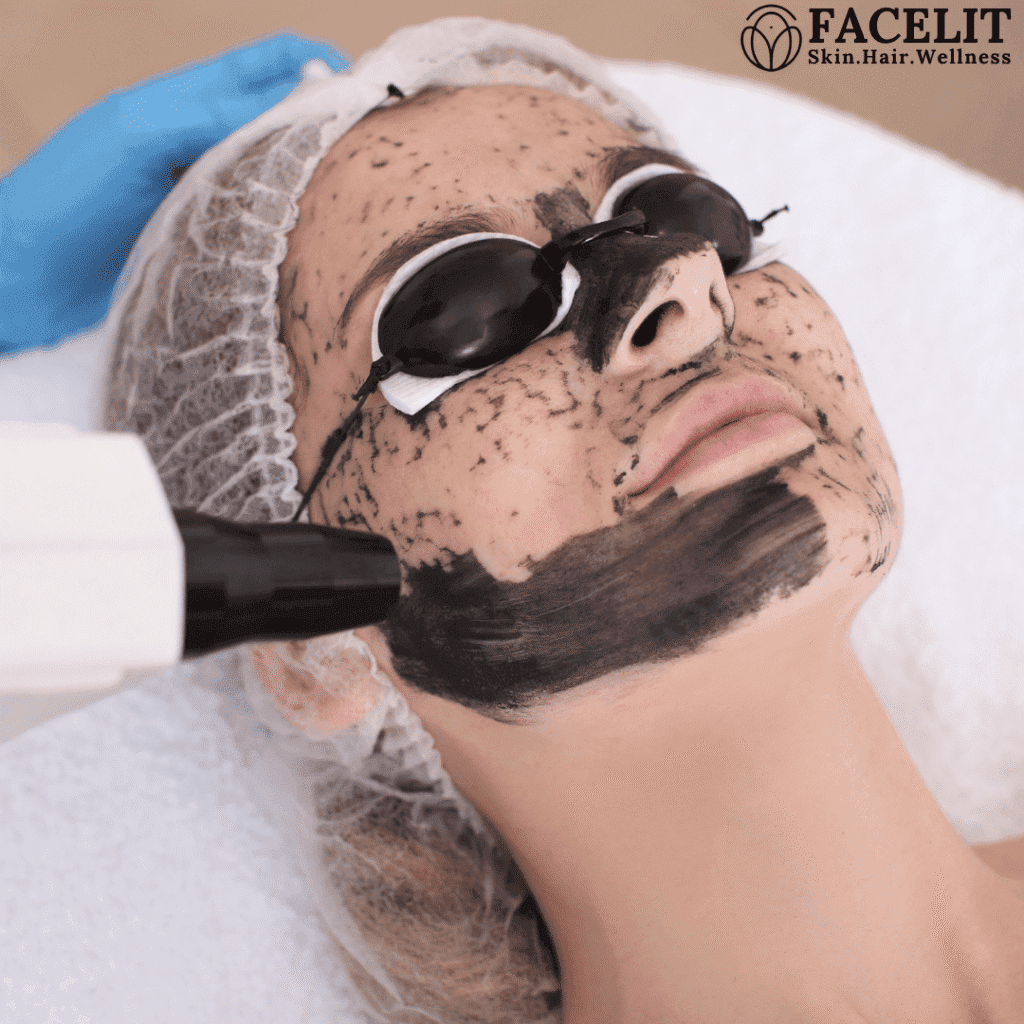
Hollywood Laser Peel: Can Every Skin Type Benefit? If you’re scrolling through Instagram and see celebrities flaunting flawless, glowing skin, chances are they’ve had a Hollywood Laser Peel. It’s that go-to, no-downtime treatment people are raving about—and for good reason. The “red carpet facial” delivers a radiant complexion almost instantly. But here’s the big question—can every skin type safely benefit from this miracle treatment? This article dives deep into how this laser facial works, what it actually does, and whether it’s a safe bet for everyone—especially for those with darker complexions or sensitive skin. While many laser treatments can cause irritation, pigmentation, or uneven results depending on your skin tone, the Hollywood Laser Peel is gaining traction for being universally effective. Before booking your first session, let’s demystify the treatment and answer the burning question: Is this the right skincare game-changer for you, no matter your skin type? What is a Hollywood Laser Peel? The Hollywood Laser Peel, also known as the Carbon Laser Facial, is a non-invasive treatment designed to rejuvenate the skin, even out tone, and provide a radiant glow—without the long recovery times often associated with traditional lasers. The treatment earned its name from its popularity among celebrities who want fresh, glowing skin before hitting the red carpet. Here’s how it works: A carbon lotion is applied to the face, which penetrates deep into the pores. Then, a Picocare450 Nd.YAG laser is used to heat and remove the carbon, exfoliating the skin and vaporizing dead skin cells, oils, and other impurities in the process. What’s especially appealing is that it’s quick—usually under 30 minutes—and requires zero downtime. That means you can pop in during lunch and return to your day with noticeably improved skin. Sounds like magic? It’s actually science-backed skin renewal at its finest. The Hollywood Laser Peel is known to: Reduce pigmentation Minimize fine lines and wrinkles Shrink enlarged pores Improve skin texture Brighten dull skin And the best part? It does all this gently and painlessly, making it one of the most comfortable laser treatments available today. The Science Behind the Glow At the heart of this treatment lies the synergy between activated carbon and laser energy. The carbon lotion acts like a magnet for debris, bacteria, and dead skin cells. Once the laser is fired over the skin, it heats and explodes the carbon particles, along with all the impurities attached to them. This not only exfoliates the top layers of the skin but also stimulates collagen production deep within the dermis. Collagen, as you probably know, is the holy grail of youthful skin—it gives you that firm, plump, and smooth appearance. The laser also helps to: Kill acne-causing bacteria Control excess oil production Increase cellular turnover In short, it’s a controlled yet deep cleansing process that revitalizes your skin from within. And since it uses a non-ablative laser, it doesn’t damage the surface of the skin, making it suitable for sensitive skin types too. Benefits of the Hollywood Laser Peel Skin Rejuvenation & Glow The most immediate and visible benefit is an instant glow. Your skin will look fresher, more vibrant, and smoother right after your session. Acne and Pigmentation Reduction Struggling with acne, dark spots, or melasma? The peel reduces active acne, kills bacteria, and fades pigmentation with repeated sessions. Zero Downtime & Painless Experience You won’t need to hide for days. You can go to lunch or a meeting right after—no redness, peeling, or pain. Can Every Skin Type Benefit? Fitzpatrick Skin Type Classification This scale classifies skin from Type I (very fair) to Type VI (deeply pigmented). Historically, many laser treatments weren’t safe for darker tones. How It Reacts to Different Skin Types Thanks to its gentle energy settings and non-invasive nature, the Hollywood Laser Peel is generally safe for all skin tones—yes, even melanin-rich skin! However, a professional consultation is crucial to evaluate specific needs. Contraindications and Special Considerations If you have Active rosacea Open wounds Recent sunburns Hollywood Laser Peel vs Other Treatments Chemical Peels More aggressive, with longer downtime. Ideal for certain pigmentation issues, but less forgiving for sensitive or darker skin tones. Microneedling Excellent for texture and scarring, but not a quick fix. It involves needles and downtime, unlike the Hollywood Laser Peel. Traditional Laser Treatments Often deeper and more aggressive. More risks, especially for darker complexions. The Hollywood Laser Peel offers a balanced middle ground. Your Journey at Facelit Clinic Why Choose Facelit Clinic? We specialize in safe, effective, and customizable skincare solutions. Our licensed professionals understand that no two skins are alike and treat you accordingly. Custom Treatment Plans for All Skin Types Whether you’re fair, olive-toned, or richly pigmented, we tailor the treatment to match your exact needs using the safest parameters. Technology and Safety at Facelit We use FDA-cleared, medical-grade equipment. Our staff is trained to handle all skin types and adapt techniques to your skin’s behavior. Conclusion The Hollywood Laser Peel isn’t just a trend—it’s a versatile, effective solution for nearly every skin type. Whether you’re battling acne, dullness, or pigmentation, this laser facial could be your skin’s new best friend. If you’re in search of safe, quick, and noticeable results, it’s time to book your personalized consultation at Facelit Clinic. View this post on Instagram A post shared by facelit (@facelitclinics) FAQ Section: 1. Is the Hollywood Laser Peel safe for dark skin tones? Yes, when performed by a qualified technician, the Hollywood Laser Peel is safe for all skin tones, thereby reducing risks such as including darker complexions. It uses a non-ablative laser that targets the surface without damaging deeper skin layers, reducing risks like hyperpigmentation. 2. How soon will I see visible results after one session? Many people notice an immediate improvement in skin glow and texture after just one session. However, for issues like acne scars, pigmentation, or fine lines, 3–6 sessions may be needed for long-lasting results. 3. Can it help with active acne and oil control? Absolutely. The laser targets acne-causing bacteria and
How Does PRP Treatment Rejuvenate Your Face
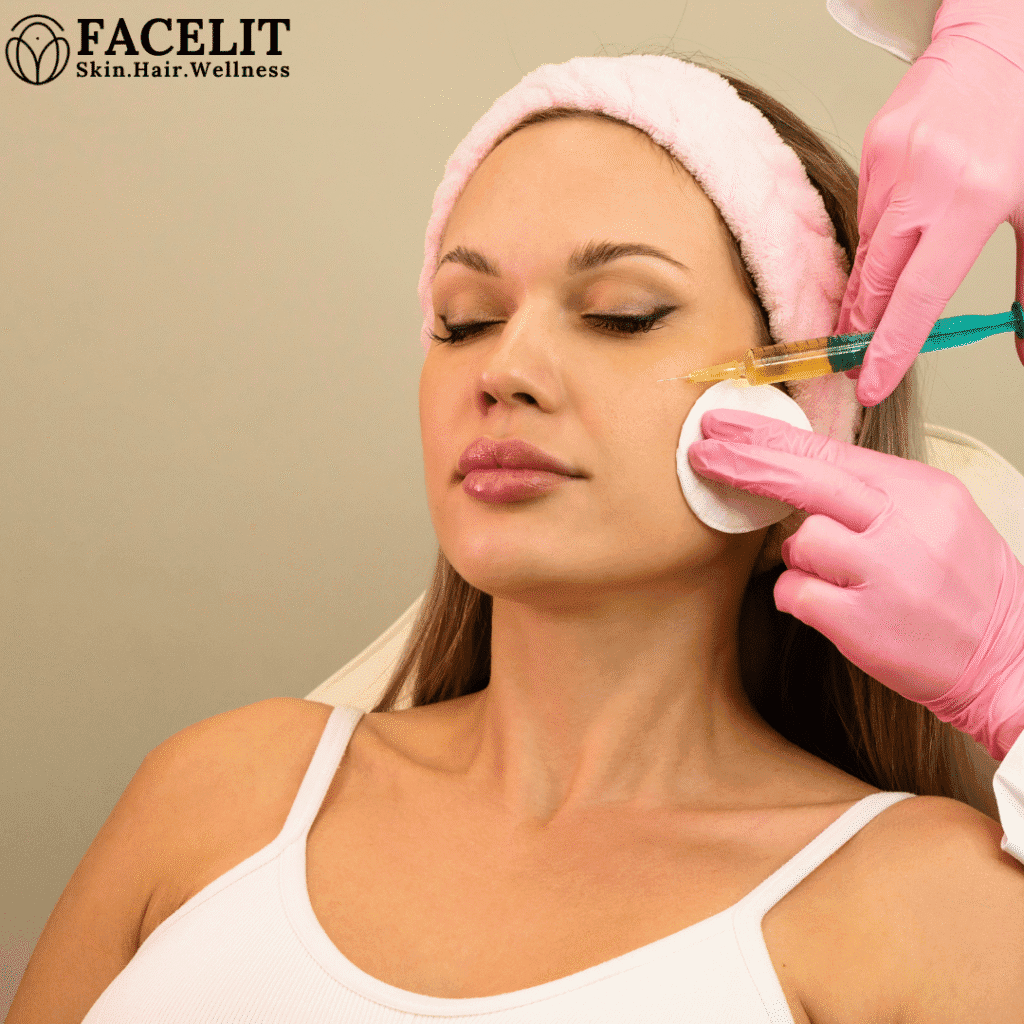
How Does PRP Treatment Rejuvenate Your Face? PRP, or platelet-rich plasma, is exactly what it sounds like: plasma (a component of your blood) that’s rich in platelets. These platelets are little powerhouses — they carry proteins and growth factors that help repair tissue, stimulate collagen, and boost cell turnover. Originally used in sports medicine and orthopedics to accelerate healing, PRP found its way into aesthetics when experts noticed how effective it was in repairing damaged skin. The idea is simple yet powerful: use your own blood to rejuvenate your skin. No chemicals. No toxins. Just results. How PRP Works in Skin Rejuvenation Here’s how it works: a small amount of your blood is drawn (just like a routine blood test). This sample is then spun in a centrifuge to separate the red blood cells from the plasma. The resulting golden-colored liquid — platelet-rich plasma — is then either injected into or applied topically to your skin. Platelets in this plasma release growth factors that help your skin repair itself. These growth factors: Stimulate collagen and elastin production Enhance tissue regeneration Improve blood flow to the skin The result? Healthier, plumper, and more radiant skin. PRP Facial: The Vampire Facial Explained Despite the spooky nickname, the PRP face treatment is a straightforward process. It can be done in two primary ways: Microneedling + PRP: Tiny needles create micro-injuries in the skin. PRP is then applied over the top, seeping into those channels to accelerate healing and regeneration. PRP Injections: Targeted injections directly deliver the PRP to specific areas like under the eyes, cheeks, or acne scars. View this post on Instagram A post shared by facelit (@facelitclinics) The Benefits of PRP Treatment for Facial Skin Improves Skin Texture and Tone: PRP smoothens rough patches and improves uneven pigmentation. Reduces Fine Lines and Wrinkles: Especially effective around the eyes, forehead, and mouth. Boosts Collagen Production: Collagen is what gives skin its bounce. More collagen = firmer, younger-looking skin. Fades Acne Scars: PRP promotes the remodeling of damaged skin and reduces scarring. Gives a Natural Glow: Many users report a noticeable brightness and freshness in their complexion. Skin Concerns PRP Can Address PRP is a versatile treatment that targets multiple issues: Fine lines and crow’s feet Sagging skin Hyperpigmentation and sun spots Acne and surgical scars Dull or lifeless skin Ideal Candidates for PRP Facial Treatments If you’re in your 30s, 40s, or even 50s and noticing signs of aging or dullness, PRP could be the answer. It’s ideal for anyone looking for natural improvement without harsh chemicals or surgery. However, those with certain blood disorders, active infections, or those on blood thinners should consult a doctor before considering treatment. Combining PRP With Other Treatments Many clinics combine PRP with microneedling or laser treatments for enhanced results. This synergy improves absorption and accelerates collagen remodeling, delivering more noticeable, longer-lasting effects. How Long Until You See Results? You may notice a healthy glow within a week, but optimal results usually show around 4–6 weeks after treatment. Most people require 2–3 sessions spaced a month apart for best outcomes. The results can last 12–18 months with proper skincare. Cost of PRP for Facial Rejuvenation Prices vary by location and provider but typically range from 4500 to 15000 per session. While it may seem expensive, the natural, long-lasting results make it a worthy investment for many. Tips to Maximize PRP Results Use gentle, hydrating skincare Avoid smoking and excessive alcohol use Eat collagen-boosting foods like berries and leafy greens Protect your skin with SPF daily Conclusion PRP facial rejuvenation is one of the most exciting advances in skincare. It’s natural, effective, and harnesses your biology to revive your skin. If you’re tired of dull skin, fine lines, and products that don’t deliver, it might be time to try something revolutionary — and real. View this post on Instagram A post shared by facelit (@facelitclinics) FAQ Section: 1. What exactly is PRP facial rejuvenation, and how does it work? PRP (platelet-rich plasma) therapy uses your blood to stimulate collagen production and skin regeneration. After drawing a small amount of blood, it’s spun in a centrifuge to extract the PRP, which is then injected or microneedled into your face to repair and renew your skin. 2. Who is the ideal candidate for PRP facial treatments? Anyone experiencing early signs of aging, dull skin, fine lines, or acne scars can benefit. It’s a great option if you’re looking for a natural, non-surgical solution. A quick consultation at our clinic will help confirm your eligibility. 3. Is PRP better than Botox or fillers? PRP is not a replacement but an alternative. While Botox relaxes muscles and fillers add volume, PRP rejuvenates your skin from the inside out by stimulating collagen production. It can be used on its own or combined with other treatments for optimal results. 4. How many sessions will I need to see results? Most clients see visible improvement after just one session, but for optimal, long-lasting results, 2–3 sessions spaced 4–6 weeks apart are recommended. Maintenance once or twice a year helps keep your skin glowing. 5. Is there any downtime or recovery time after a PRP facial? There’s minimal downtime. You may experience redness, mild swelling, or tenderness for 24–48 hours. Most people return to normal activities the next day — it’s perfect for busy lifestyles! 6. Can PRP treat under-eye hollows, dark circles, or sagging skin? Yes! PRP is especially popular for delicate areas like under the eyes. It helps thicken the skin, reduce pigmentation, and restore volume without the risks of fillers in sensitive regions. 7. How long do the effects of PRP treatment last? Results can last between 12 to 18 months depending on your age, skin type, and lifestyle. Staying hydrated, using SPF, and following a healthy skincare routine will extend your results., 8. Is PRP safe, and are there any side effects? PRP is one of the safest cosmetic procedures because it uses your blood. Minor side effects like bruising, redness,
5 Expert Skin Care Tips for People in Their 30s
5 Expert Skin Care Tips for People in Their 30s (With Real Solutions & Treatments That Actually Work) Your 30s are a decade of transitions. You’re likely more confident, grounded, and clear about what you want—but your skin may be telling a different story. Suddenly, you notice fine lines, uneven tone, breakouts that seem hormonal, or a dullness that wasn’t there before. You’re not imagining it. Skin in your 30s behaves differently. Hormonal changes, slower cell turnover, early collagen loss, and environmental damage start to show. The good news? With the right approach, your 30s can be the beginning of your skin’s healthiest chapter yet. This blog covers expert-backed, effective tips for people in their 30s—along with professional treatments worth knowing if you’re looking for next-level results. Tip 1: Protect Collagen—Your Skin’s Structural Support The Problem: Fine lines, early wrinkles, and a loss of firmnessWhy it happens: Around your 30s, collagen and elastin production begins to slow, reducing skin’s elasticity and resilience. What to Do: Apply SPF 30+ every morning—even if you’re indoors or it’s cloudy. Start using a retinoid 2-3 times a week to boost collagen renewal. Add antioxidants like vitamin C or niacinamide to your morning routine to fight oxidative stress. Treatment Option to Consider: Microneedling with RF (radiofrequency) can stimulate natural collagen regeneration, improving firmness and reducing early fine lines. CO2 fractional laser resurfacing is another option for targeting texture, wrinkles, and tone. Pro Tip: The earlier you start protecting your collagen, the less corrective work you’ll need later. Tip 2: Fight Dullness & Uneven Skin Tone The Problem: Skin looks tired, patchy, or lacks that natural glowWhy it happens: Skin cell turnover slows in your 30s, which means dead skin cells stay on the surface longer, causing dullness. What to Do: Use AHAs (like glycolic or lactic acid) a few times per week to exfoliate gently. Incorporate vitamin C in your AM routine to brighten and protect from free radicals. Stay hydrated—internally and topically (think hyaluronic acid serums). Treatment Option to Consider: Chemical peels can deeply exfoliate and resurface the skin, resulting in a brighter, more even complexion. HydraFacial treatments provide deep cleansing, exfoliation, and hydration in a single session. Pro Tip: If you’re dealing with post-acne pigmentation or sun spots, targeted brightening serums plus occasional peels can make a noticeable difference. Tip 3: Manage Hormonal Acne & Enlarged Pores The Problem: Breakouts that weren’t there before—or never quite went awayWhy it happens: Hormonal fluctuations in your 30s (especially for women) can lead to cystic acne, mostly around the chin and jawline. Stress and diet also play a role. What to Do: Stick to non-comedogenic products and avoid over-washing or over-exfoliating. Use ingredients like salicylic acid, niacinamide, and azelaic acid to unclog pores and calm inflammation. Watch for hidden triggers in your diet, like dairy or sugar. Treatment Option to Consider: Salicylic acid or mandelic acid peels help with active acne and post-inflammatory marks. LED light therapy (blue light) is effective in reducing acne-causing bacteria without damaging skin. Pro Tip: Adult acne is common in your 30s. Managing it with a balanced routine—plus the right clinical support—makes a big difference in skin clarity and confidence. Tip 4: Deeply Hydrate & Strengthen Your Skin Barrier The Problem: Skin feels dry, tight, or looks ‘tired.’Why it happens: As oil production decreases in your 30s, your skin can become drier and more prone to irritation and fine lines. What to Do: Use a hydrating serum with hyaluronic acid followed by a barrier-repairing moisturizer with ceramides or peptides. Limit use of stripping cleansers or alcohol-based toners. Try slugging (using an occlusive like petrolatum) occasionally to lock in moisture overnight. Treatment Option to Consider: Skin booster injections (like Profhilo or Volite) deliver long-lasting hydration and improve skin texture from the inside out. Oxygen facials or deep hydration facials replenish moisture and give an instant glow. Pro Tip: Hydrated skin looks plumper, smoother, and younger. Don’t underestimate the power of consistent moisture! Tip 5: Address Early Pigmentation & Prevent Further Damage The Problem: Uneven skin tone, sun spots, and melasmaWhy it happens: UV exposure over the years can lead to pigment buildup. Hormones (like pregnancy or birth control) can also trigger melasma. What to Do: Never skip broad-spectrum SPF, and reapply during the day if you’re outside. Use gentle brightening agents like vitamin C, alpha arbutin, or licorice extract. Avoid harsh scrubs or aggressive treatments that could worsen pigmentation. Treatment Option to Consider: Laser treatments (like Pico 450 Laser) target melanin clusters and fade dark spots without damaging surrounding skin. Topical pigment-correcting peels (like those containing TCA or kojic acid) can help even tone over time. Pro Tip: Pigmentation takes time to treat, and consistency is key. A combo of home care + targeted treatments is often most effective. Extra Tips for Glowing Skin in Your 30s: Don’t neglect your neck and chest—these areas age just as quickly as your face. Stress management is skincare. Cortisol spikes from chronic stress can lead to inflammation, dullness, and breakouts. Sleep matters. Your skin repairs itself at night, so 7–9 hours is non-negotiable. Final Thoughts In your 30s, your skin is still youthful, but it’s also changing. This is the perfect decade to invest in smarter skincare habits, learn to listen to your skin, and explore safe, non-invasive treatments that prevent future damage. Focus on: Consistency over complexity Prevention over correction Treating your skin with respect, not punishment When you understand what your skin needs, and give it the right support—it shows. View this post on Instagram A post shared by facelit (@facelitclinics) FAQ Section: 1. What is the best skincare routine for someone in their 30s? A good routine in your 30s focuses on cleansing, hydration, sun protection, and targeted treatments. Morning: Cleanser, Vitamin C serum, moisturizer, and SPF. Evening: Cleanser, retinol (2–3x a week), moisturizer. Add exfoliation and eye cream as needed. 2. Are retinol products safe to use in your 30s? Yes, retinol is one of the most effective ingredients for
Botox Skin Treatment in Kerala
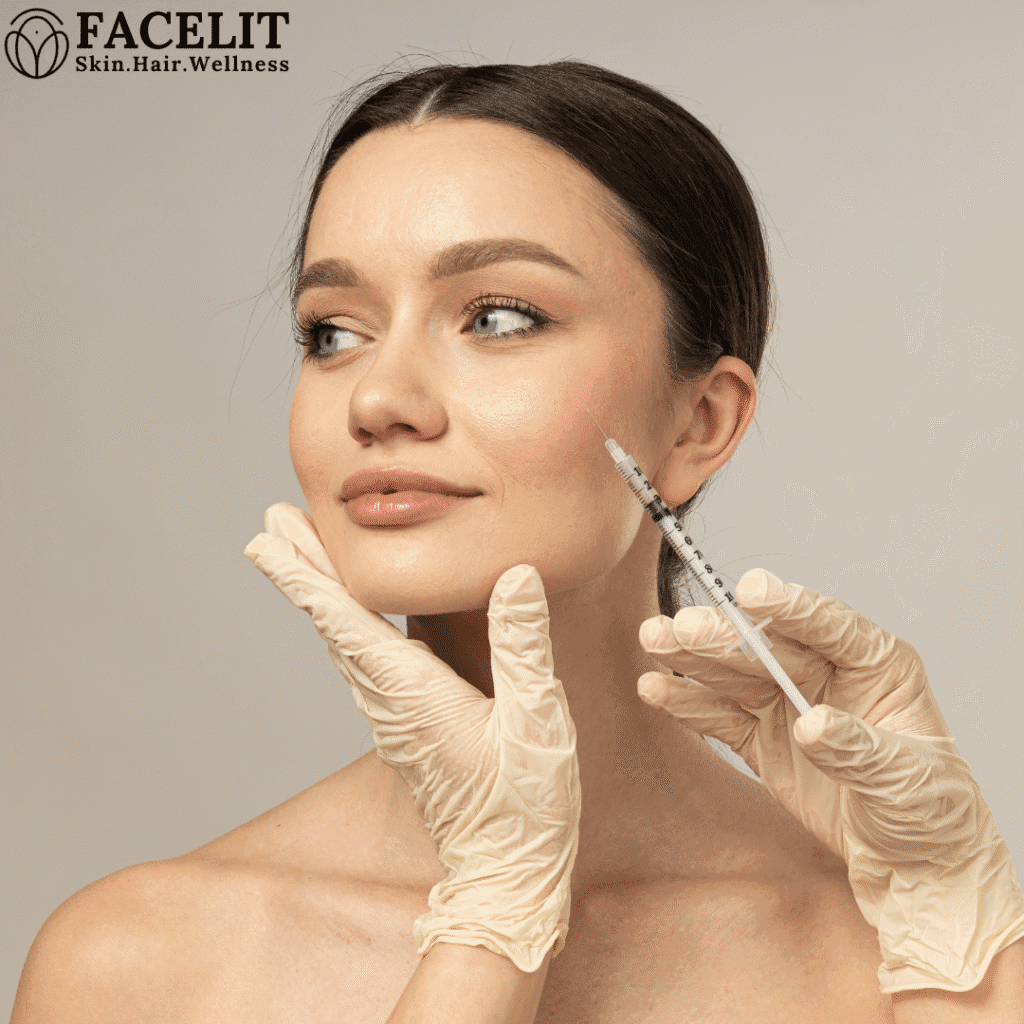
Botox Skin Treatment in Kerala: Restore Youth and Confidence with Facelit Clinic In today’s fast-paced world, your face often bears the brunt of stress, sleepless nights, sun exposure, and the inevitable signs of aging. Whether it’s deep forehead wrinkles, laugh lines, or drooping brows, these changes can impact not just your appearance but also your self-confidence. Thankfully, modern cosmetic science offers a highly effective and non-invasive solution—Botox skin treatment. If you are looking for Botox treatment in Trivandrum, Guruvayoor, or Karunagapally, visit Facelit Clinic. We offer safe, natural-looking, and personalized care. Why Is Botox the Most Popular Anti-Aging Treatment Today? Botox (botulinum toxin) is a clinically approved injectable used to temporarily reduce muscle activity in targeted areas. When injected into facial muscles, it smoothens wrinkles and fine lines caused by repetitive expressions like frowning or squinting. Here’s why millions trust Botox every year: Non-surgical with zero downtime Fast results (visible within 3–7 days) Customizable to your facial structure Clinically safe with FDA approval Lasts 3–6 months with repeat treatments improving long-term results At Facelit Clinic, we use only premium-quality, approved Botox products and deliver results that enhance your natural beauty without the “frozen” look. Targeting Local Concerns: Botox in Trivandrum, Guruvayoor & Karunagapally Residents in Trivandrum, Guruvayoor, and Karunagapally often face: Premature skin aging due to Kerala’s tropical climate Stress-induced frown lines and tired eyes Cultural stigmas around invasive cosmetic surgeries Facelit Clinic offers localized, culturally sensitive, and expert-administered Botox services tailored for men and women in these regions. Whether you’re a busy professional in Trivandrum, a bride-to-be in Guruvayoor, or simply seeking self-care in Karunagapally, our clinics are nearby, accessible, and ready to transform your skin journey. 10 Skin & Aesthetic Issues Botox Can Fix Botox isn’t just about “freezing” wrinkles. At Facelit Clinic, we use Botox to correct a variety of age-related and aesthetic concerns: Forehead wrinkles Crow’s feet (wrinkles near the eyes) Frown lines between the eyebrows Drooping eyebrows Bunny lines (lines on the nose) Chin dimpling Neck bands Jawline slimming (for square jaw) Gummy smile correction Excessive sweating (hyperhidrosis) – hands, feet, and underarms These problems are more common than most people admit—and Botox offers a non-invasive solution with proven, predictable results. Our Process: What to Expect at Facelit Clinic We follow a step-by-step, client-first approach to ensure a comfortable experience from consultation to follow-up: 1. In-Depth Consultation You will meet one-on-one with a skilled cosmetic dermatologist. They will look at your facial features, skin condition, and beauty goals. 2. Customized Botox Plan Every face is unique. We design a personalized injection strategy, targeting only the necessary muscle groups for a natural, refreshed look. 3. Precise, Painless Injections Botox is administered using ultra-fine needles, often completed in 15–30 minutes. Most patients describe the sensation as a mild pinch. 4. Aftercare Guidance Our team gives post-treatment advice, like avoiding lying down or massaging the area for 4 to 6 hours. We also schedule a follow-up to make sure you get the best results. Why Facelit Clinic is Kerala’s Most Trusted Botox Provider We’ve earned the trust of thousands across Kerala because of our: Expertise: Our cosmetic dermatologists have years of hands-on experience, with advanced training in facial aesthetics.Natural Results: We focus on enhancing, not changing, your appearance—no plastic or frozen expressions.Sterile, Safe Environment: Our clinics meet global hygiene standards, and we use only certified Botox products.Multiple Locations:If you want Botox in Trivandrum, Botox in Guruvayoor, or Botox in Karunagapally, there is a Facelit Clinic nearby.Transparent Pricing: No hidden charges—just honest, affordable, and value-packed treatments. Is Botox Right for You? Botox is ideal for: Women and men aged 25 to 65 Professionals who want a refreshed, well-rested look Brides and grooms preparing for weddings Parents looking to reverse years of stress Anyone seeking anti-aging without surgery If you’re unsure, our team at Facelit Clinic offers free assessments to help you decide confidently. Conclusion: Rediscover Your Youth with Facelit Clinic Aging is natural—but looking tired, stressed, or older than you feel doesn’t have to be. With safe, expert-guided Botox treatments available in Trivandrum, Guruvayoor, and Karunagapally, Facelit Clinic empowers you to take control of your appearance without surgery, pain, or downtime. Whether you’re preparing for a big life event, improving your confidence, or simply investing in self-care, Facelit Clinic is your trusted partner in aesthetic transformation. Our skilled dermatologists, advanced techniques, and personalized care ensure that you leave every session looking naturally refreshed, never overdone. Don’t wait for signs of aging to deepen. Take the first step toward smoother, younger-looking skin today. View this post on Instagram A post shared by facelit (@facelitclinics) FAQ Section: 1. What is Botox and how does it work? Botox is a purified protein (Botulinum toxin) that temporarily relaxes facial muscles responsible for wrinkles and fine lines. It helps smooth out expressions like frown lines, crow’s feet, and forehead creases without surgery. 2. How long do Botox results last? Botox results typically last 3 to 6 months, depending on your metabolism, lifestyle, and the treatment area. Regular maintenance sessions can help extend and enhance results over time. 3. Is Botox treatment painful? Most patients experience only mild discomfort, similar to a tiny pinprick. At Facelit Clinic, we use ultra-fine needles and can apply a numbing cream to ensure maximum comfort. 4. Are there any side effects of Botox? Botox is a safe procedure when administered by trained professionals. Mild side effects may include temporary redness, swelling, or slight bruising at the injection site, which usually resolve within a day or two. 5. How soon will I see results after my Botox session? You may start seeing results within 3 to 5 days, with full effects becoming visible around 7 to 14 days post-treatment. 6. Can Botox look natural? I don’t want a “frozen” face. Absolutely. At Facelit Clinic, we specialize in natural-looking Botox results. We tailor each treatment to your facial structure and expression patterns for a refreshed, not frozen, appearance. 7. Who is the right candidate for Botox? Botox is ideal for
How IV Drips Improve Sleep Quality

How IV Drips Improve Sleep Quality — A Game-Changer at Facelit Clinic Are you tossing and turning at night, staring at the ceiling while your brain runs a marathon? If so, you’re not alone. Millions of people struggle with poor sleep, and many have tried everything — warm milk, white noise, melatonin — with little success. Here’s the truth: your body might not be getting the nutrients it needs to rest deeply. That’s where IV drips at Facelit Clinic come in — a science-backed, relaxing, and surprisingly effective way to reclaim your nights. Why We’re All Sleeping Worse — and What to Do About It Our modern lives are stacked against restful sleep. Think about it: late-night screen scrolling, constant stress, energy drinks, and poor nutrition. No wonder sleep disorders are skyrocketing. But here’s the twist: what if the issue isn’t your bedtime routine — but what’s missing in your body? Top Sleep Disruptors Today: Stress and anxiety Caffeine overload Screen time before bed Nutrient deficiencies Hormonal imbalances What is IV Drip Therapy? IV therapy delivers powerful nutrients directly into your bloodstream, bypassing the digestive system for nearly 100% absorption. That means quicker, more noticeable results. Imagine your body like a smartphone with 2% battery. IV therapy is like plugging into a supercharger — you feel the boost fast. The Sleep-Nutrient Connection Your body relies on specific vitamins and minerals to create melatonin (your sleep hormone) and regulate your nervous system. If you’re lacking, no amount of meditation or herbal tea will fix it. Key Sleep Nutrients: Magnesium: Eases anxiety, relaxes muscles Vitamin B Complex: Helps make serotonin & melatonin Amino Acids: Supports neurotransmitters for deep sleep Zinc + Hydration: Reduces cortisol and nighttime wakeups How IV Drips Improve Sleep Quality (Fast!) At Facelit Clinic, our custom sleep-support IV blends do more than help you fall asleep — they help you stay asleep and wake up refreshed. Benefits You’ll Feel: Fall asleep faster Fewer middle-of-the-night wakeups Deeper REM sleep (hello, vivid dreams!) Calmer mind before bed Many clients report better sleep within hours of their session — no pills, no drowsiness, just restful, natural slumber. Who is This For? If you’re wondering, “Is IV sleep therapy really for” me?”—the answer might surprise you. It’s perfect for: People with chronic insomnia Busy professionals who can’t shut their mind off Parents & caregivers who are mentally drained Jet-setters or night-shift workers with disrupted sleep cycles You don’t have to suffer in silence — there’s a solution that actually works. What’s Inside Our Sleep IV at Facelit Clinic? We personalize every drip. But typically, our sleep-focused formula includes: Magnesium chloride B-complex vitamins Amino acids like tryptophan and GABA Electrolyte-rich hydration Optional melatonin boost or adaptogens like ashwagandha You’ll receive your custom blend after a quick consultation with our expert team. How It Works: Simple as 1, 2, Zzz… Book your consultation online or call us We assess your sleep needs and customize your drip Relax in our lounge as the IV works its magic Leave refreshed — and sleep like a dream that night Is IV Therapy Safe? Absolutely. Our staff is trained, certified, and focused on your safety. We screen for any health conditions and tailor everything to your unique biology. Pair It With These Sleep Hacks for Even Better Results Set a consistent sleep schedule (yes, even weekends!) Avoid screens an hour before bed Try meditation or a warm bath after your IV session Journal before bed to clear your mind Conclusion: Sleep Isn’t a Luxury — It’s Your Lifeline Your body heals, repairs, and restores itself while you sleep. If your nights are restless, your days will always feel like a struggle. IV drip therapy at Facelit Clinic isn’t just a treatment — it’s a transformation. Ready to stop surviving and start thriving? Let’s fix your sleep from the inside out. View this post on Instagram A post shared by facelit (@facelitclinics) FAQ Section: 1. What makes IV therapy more effective than sleep supplements or pills? Great question! Unlike pills or powders that lose potency through digestion, IV drips deliver nutrients directly into your bloodstream for nearly 100% absorption. This means faster, stronger results — no waiting weeks to feel a difference. 2. I’ve tried everything for my insomnia. How do I know IV therapy will actually work? Many of our clients come in as a “last resort” after trying countless sleep aids. IV therapy targets the root causes of poor sleep, like nutrient deficiencies and nervous system imbalances. Most feel a noticeable improvement after just one session — often the very same night. 3. Can IV therapy help with anxiety-related sleep problems? Absolutely. Our sleep IVs include magnesium and B vitamins, which help calm the nervous system and reduce anxiety. Many clients say they feel more relaxed and less mentally “wired” after their session, making it easier to fall — and stay — asleep. 4. Is this safe if I have an existing medical condition or take other medications? Yes — safety is our top priority. Our trained medical staff will review your health history and tailor your IV therapy to your unique needs. We can even coordinate with your doctor if needed. You’re never just handed a one-size-fits-all solution. 5. How often do I need to get IV drips for better sleep? Some people feel amazing after just one drip. Others benefit from weekly or bi-weekly sessions for lasting results. During your consultation at Facelit Clinic, we’ll create a personalized plan based on your sleep patterns and goals. 6. Will I feel drowsy or groggy after the drip? Nope! Our IV therapy promotes natural, restful sleep — without that heavy, sedated feeling. You’ll likely feel more relaxed after the session, but still alert and clear-headed. You’ll fall asleep when it’s time, not during your drive home! 7. I don’t like needles. Can I still do this? We get it — needles aren’t fun for everyone. Our expert staff is incredibly gentle and uses tiny, flexible IV catheters
Ultimate Guide to Getting Rid of Dry Skin
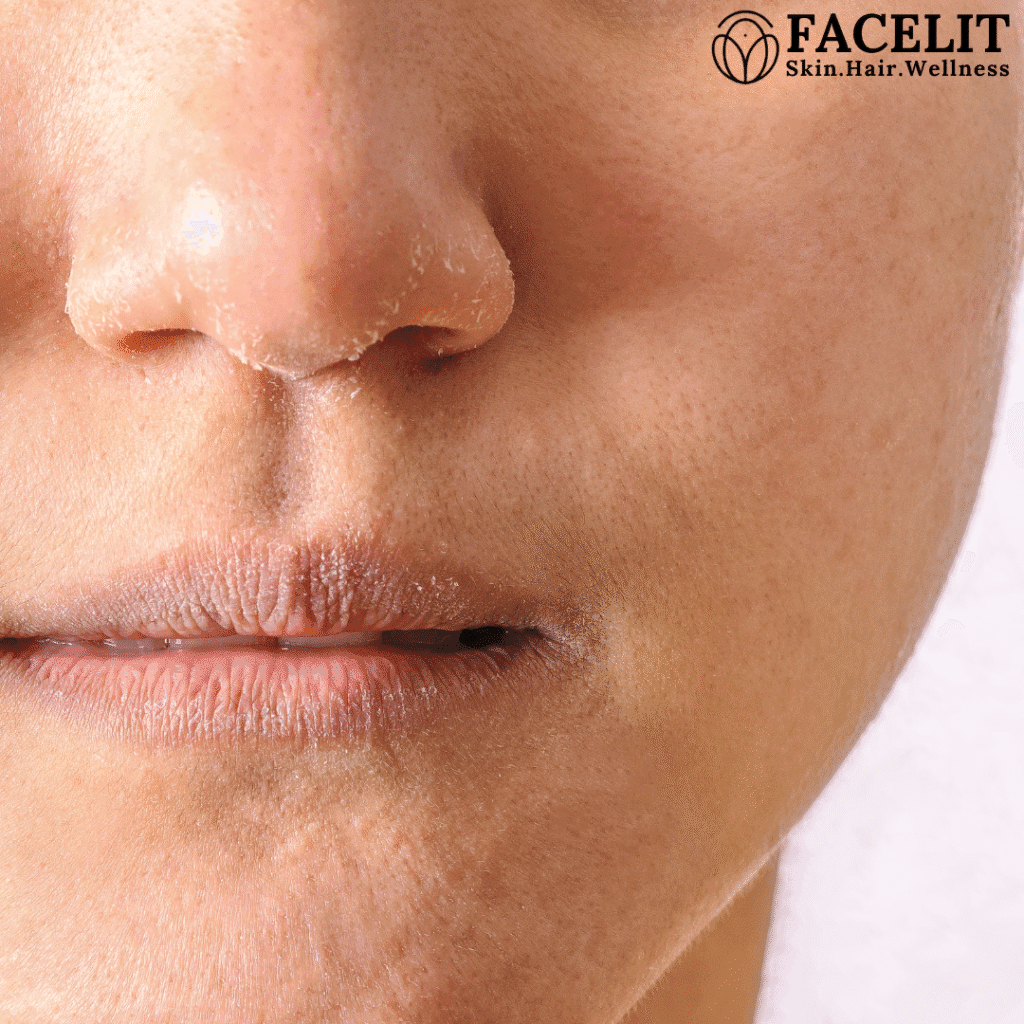
Ultimate Guide to Getting Rid of Dry Skin Getting rid of dry skin isn’t just about comfort—it’s about confidence, health, and restoring your skin’s natural glow. Dry, flaky patches, rough texture, and persistent itchiness can be more than annoying—they’re signs your skin needs urgent care. In this ultimate guide, we’ll cover everything you need to know about getting rid of dry skin, from pinpointing the root causes to building a skincare routine that truly works. Ready to say goodbye to dryness and hello to radiant, smooth skin? Let’s dive in! Understanding Dry Skin What Is Dry Skin? Dry skin, medically known as xerosis, is more than just a cosmetic concern—it’s a signal that your skin barrier is lacking the hydration it needs. Picture your skin as a protective shield: when it’s well-hydrated, it’s flexible, resilient, and able to ward off irritants. But when the moisture levels drop, the barrier weakens, resulting in a rough, tight, and sometimes painful layer that begs for attention. Common Causes of Dry Skin There are several culprits behind dry skin. Environmental factors like cold weather, low humidity, and wind exposure play a significant role, while lifestyle habits such as long, hot showers and harsh cleaning products only make matters worse. Aging, genetics, and even certain medications can contribute to the deterioration of skin hydration. It’s essential to identify your personal triggers, so you can adapt and prevent further damage. Signs and Symptoms From the first hints of dryness—mild flakiness and an uncomfortable tightness—to more severe symptoms like redness, itching, and even cracks or bleeding, dry skin communicates its distress clearly. Recognizing these signs early is key to preventing escalation and chronic issues. The Importance of Addressing Dry Skin Early Why Ignoring Dry Skin Is Risky Ignoring dry skin is like neglecting a leaky roof—it may seem minor at first, but over time, the damage escalates. Without proper care, your skin not only loses its radiance but also becomes more susceptible to infections and irritants. In many ways, your skin serves as your first line of defense. When it’s compromised, every environmental hazard becomes a potential risk. Long-Term Damage of Neglected Dry Skin If left unchecked, dry skin can lead to permanent barrier damage. Over time, chronic dryness might develop into conditions such as eczema or dermatitis. Additionally, the skin’s natural aging process speeds up, leading to premature fine lines, wrinkles, and an overall dull complexion. Investing in proper care now is an investment in your long-term skin health. Everyday Habits That Aggravate Dry Skin Impact of Hot Showers and Harsh Soaps The allure of a hot shower on a chilly morning is undeniable, yet its effects on your skin can be devastating. Hot water strips the skin of essential oils, leaving behind a parched surface that absorbs moisture poorly. Coupled with harsh soaps that disrupt the skin’s pH balance, you end up with a cycle of dryness that becomes harder to break with time. How Indoor Heating and Air Conditioning Affect Your Skin In today’s modern world, we’re often locked in environments with controlled temperatures—be it the dry heat of indoor heating during winter or the dehydrating effects of air conditioning in summer. These systems remove much-needed moisture from the air, and by extension, from your skin, leading to daily bouts of dryness. The Role of Diet and Hydration You are what you eat—and drink. A diet lacking in essential nutrients, along with inadequate water intake, can spell disaster for skin hydration. Foods rich in antioxidants, vitamins, and healthy fats are not just good for your body; they’re vital for maintaining supple, resilient skin. On the flip side, a diet heavy in processed foods and sugars can exacerbate inflammation and dryness. Essential Skincare Tips to Hydrate and Heal Choosing the Right Moisturizer Moisturizing is your frontline defense against dryness. The best moisturizers are thick, emollient creams that lock in moisture. Look for products that include ingredients like shea butter, lanolin, or plant oils. Applying moisturizer on damp skin right after a shower maximizes its ability to seal in hydration. Gentle Cleansing and Its Benefits Cleaning your skin doesn’t mean using aggressive products that further strip moisture. Instead, opt for cream or milk-based cleansers that maintain the skin’s natural oils. These gentle formulations clean effectively without disrupting the delicate balance of your skin barrier, allowing for better absorption of subsequent hydrating products. Mastering the Art of Layering Products Think of your skincare routine as constructing a multi-layered defense system. Start with a hydrating toner to prepare your skin, follow with a serum rich in hyaluronic acid for moisture, and finish with a robust cream or oil to lock everything in. Each layer builds upon the previous one, much like adding bricks to a sturdy wall. This approach not only moisturizes deeply but also optimizes the overall health of your skin. Exploring Natural Remedies for Dry Skin The Magic of Coconut Oil and Aloe Vera When it comes to natural remedies, few ingredients are as celebrated as coconut oil and aloe vera. Coconut oil is renowned for its moisturizing, antimicrobial, and antioxidant properties, making it a versatile remedy for dry patches. Aloe vera, on the other hand, soothes irritation while providing a cooling effect—perfect for calming inflamed, dry skin. Combine these two, and you have a natural treatment that hydrates deeply and promotes healing. Soothing Oatmeal Baths Imagine unwinding in a warm, soothing bath infused with colloidal oatmeal. This natural ingredient is famous for calming irritated skin and forming a protective barrier that locks in moisture. Oatmeal baths not only relax your mind after a long day but also provide lasting relief to stressed and dry skin. DIY Hydrating Masks from Your Kitchen Your kitchen is a treasure trove of ingredients that can transform your skin. Avocado, honey, and yogurt are excellent for creating a hydrating mask. Avocado is rich in healthy fats, honey is a natural humectant that attracts moisture, and yogurt contains lactic acid which gently exfoliates while moisturizing. These DIY masks are easy