
CO2 Laser How Does It Improve Your Skin

CO2 Laser How Does It Improve Your Skin? Are you tired of looking in the mirror and feeling defeated by acne scars, wrinkles, or dull skin? If you’ve ever felt like your reflection doesn’t match how vibrant you truly are inside, you’re not alone. Skin issues don’t just affect how we look—they impact our confidence, relationships, and even our mental health. CO2 laser skin resurfacing isn’t just about aesthetics. It’s about reclaiming your identity, healing emotional wounds, and finally stepping into the version of yourself you’ve always envisioned. This guide breaks it all down—scientifically, emotionally, and practically—so you walk away informed and empowered. What Is CO2 Laser Treatment? CO2 (carbon dioxide) laser treatment is an advanced skin-resurfacing procedure that uses focused beams of light to remove damaged skin layers and stimulate new collagen growth. It’s particularly effective for deeper skin imperfections and aging signs. Modern CO2 fractional lasers are, which means they treat microscopic columns of skin rather than the entire surface, leading to faster healing and fewer side effects than older methods. How CO2 Laser Works (The Science You Should Know) Imagine your skin like a canvas covered in scratches and marks. The CO2 laser carefully “sands” away the damaged top layers and heats the underlying skin, triggering your body to: Shed damaged skin Produce fresh collagen Replace old cells with new, smooth, radiant skin This dual effect of exfoliation + regeneration makes CO2 laser one of the most powerful treatments in dermatology. What Skin Conditions Can CO2 Laser Treat? 1. Deep Acne Scars Pitted and boxcar scars are hard to treat, but CO2 lasers break down scar tissue and promote new growth that smooths your skin from within. 2. Wrinkles & Fine Lines It’s like turning back the clock. CO2 laser boosts collagen and elastin, softening lines around your eyes, lips, and forehead. 3. Hyperpigmentation & Sun Damage Uneven pigmentation, sunspots, and melasma fade significantly with the laser’s ability to even out melanin distribution. 4. Dullness & Texture Issues Your skin can look polished, smoother, and more radiant after just one session, thanks to a refined surface and enhanced skin cell turnover. 5. Stretch Marks & Surgical Scars Even stubborn stretch marks and surgical scars can fade dramatically with multiple treatments. Emotional & Mental Impact: Beyond the Skin Let’s not sugarcoat it—clear skin changes lives. Many people who undergo CO2 laser treatments describe: Feeling comfortable without makeup for the first time Smiling in selfies again Gaining confidence to pursue jobs, relationships, or just life in general This isn’t just skincare—it’s emotional healing. What to Expect Before, During, and After Treatment Pre-Treatment: Detailed consultation with a dermatologist Avoid sun exposure and harsh skincare 1–2 weeks prior During Treatment: Local anesthesia or numbing cream applied Procedure takes 30–90 minutes Slight burning or prickling sensation (manageable with numbing) After Treatment: Redness, swelling, and mild discomfort (like a bad sunburn) Peeling starts on Day 3 or 4 Full healing in 7–10 days Cost Breakdown: Is It Worth It? Average cost per session: 1000-12000 Multiple sessions may be required Most insurance won’t cover it (cosmetic) But consider this: The cost of emotional distress, lack of confidence, and years spent covering up with makeup adds up, too. Many patients say the results are priceless. Conclusion: Your Skin Deserves This You’ve tried everything—from over-the-counter creams to hiding behind filters. But deep down, you know your skin deserves more. You deserve to feel proud of your reflection. CO2 laser treatment isn’t just about looking better—it’s about feeling whole again. If your skin has held you back, it’s time to take a bold step forward. Invest in yourself. Heal your skin. Rewrite your story. View this post on Instagram A post shared by facelit (@facelitclinics) FAQ Section: 1. How many CO2 laser sessions will I need to see results? It depends on your skin goals. Some clients see dramatic results after just one session, especially for texture and wrinkles. For deeper scars or pigmentation, we typically recommend 2 to 3 sessions, spaced 4–6 weeks apart for optimal results.experience dramatic results after just one session, particularly in terms of 2. Is the CO2 laser treatment safe for all skin tones? Yes! At Facelit Clinic, we use advanced fractional CO2 technology with customized settings for all Fitzpatrick skin types. Our experienced dermatologists carefully assess your skin to ensure a safe and effective treatment, even for medium to deeper skin tones. 3. Will I need downtime after a CO2 laser session? Yes, but we help you manage it easily. Expect 5–10 days of downtime depending on the intensity of your treatment. You might experience redness, dryness, or light peeling—similar to a sunburn. We provide aftercare kits and 24/7 support to help your skin heal beautifully., 4. Is CO2 laser treatment painful? Not at all! We apply a strong topical numbing cream before your session. Most clients describe the feeling as warm or prickly, but totally manageable. We also offer cooling systems and pain management options to ensure your comfort 5. Can CO2 laser help with acne scars and enlarged pores? Absolutely. CO2 laser is one of the most effective treatments for acne scars, pitted scars, and large pores. It stimulates collagen, resurfaces the top layer, and smooths uneven skin texture like no topical cream can. 6. How long do the results last? Many clients enjoy results that last 3 to 5 years—sometimes longer. Aging and sun exposure can affect longevity, so we recommend a solid skincare routine and annual touch-ups if needed. You’ll also receive lifestyle guidance from our team to maintain your glow. 7. Can I wear makeup after the CO2 laser treatment? You’ll need to avoid makeup for at least 5–7 days to allow your skin to heal. Once the top layer sheds and your skin calms down, you can return to your normal routine. We’ll guide you on the exact timeline and even recommend skin-safe makeup products. 8. What makes Facelit Clinic different from other laser providers? We’re not a one-size-fits-all clinic. At Facelit, every treatment
5 Expert Skin Care Tips for People in Their 30s
5 Expert Skin Care Tips for People in Their 30s (With Real Solutions & Treatments That Actually Work) Your 30s are a decade of transitions. You’re likely more confident, grounded, and clear about what you want—but your skin may be telling a different story. Suddenly, you notice fine lines, uneven tone, breakouts that seem hormonal, or a dullness that wasn’t there before. You’re not imagining it. Skin in your 30s behaves differently. Hormonal changes, slower cell turnover, early collagen loss, and environmental damage start to show. The good news? With the right approach, your 30s can be the beginning of your skin’s healthiest chapter yet. This blog covers expert-backed, effective tips for people in their 30s—along with professional treatments worth knowing if you’re looking for next-level results. Tip 1: Protect Collagen—Your Skin’s Structural Support The Problem: Fine lines, early wrinkles, and a loss of firmnessWhy it happens: Around your 30s, collagen and elastin production begins to slow, reducing skin’s elasticity and resilience. What to Do: Apply SPF 30+ every morning—even if you’re indoors or it’s cloudy. Start using a retinoid 2-3 times a week to boost collagen renewal. Add antioxidants like vitamin C or niacinamide to your morning routine to fight oxidative stress. Treatment Option to Consider: Microneedling with RF (radiofrequency) can stimulate natural collagen regeneration, improving firmness and reducing early fine lines. CO2 fractional laser resurfacing is another option for targeting texture, wrinkles, and tone. Pro Tip: The earlier you start protecting your collagen, the less corrective work you’ll need later. Tip 2: Fight Dullness & Uneven Skin Tone The Problem: Skin looks tired, patchy, or lacks that natural glowWhy it happens: Skin cell turnover slows in your 30s, which means dead skin cells stay on the surface longer, causing dullness. What to Do: Use AHAs (like glycolic or lactic acid) a few times per week to exfoliate gently. Incorporate vitamin C in your AM routine to brighten and protect from free radicals. Stay hydrated—internally and topically (think hyaluronic acid serums). Treatment Option to Consider: Chemical peels can deeply exfoliate and resurface the skin, resulting in a brighter, more even complexion. HydraFacial treatments provide deep cleansing, exfoliation, and hydration in a single session. Pro Tip: If you’re dealing with post-acne pigmentation or sun spots, targeted brightening serums plus occasional peels can make a noticeable difference. Tip 3: Manage Hormonal Acne & Enlarged Pores The Problem: Breakouts that weren’t there before—or never quite went awayWhy it happens: Hormonal fluctuations in your 30s (especially for women) can lead to cystic acne, mostly around the chin and jawline. Stress and diet also play a role. What to Do: Stick to non-comedogenic products and avoid over-washing or over-exfoliating. Use ingredients like salicylic acid, niacinamide, and azelaic acid to unclog pores and calm inflammation. Watch for hidden triggers in your diet, like dairy or sugar. Treatment Option to Consider: Salicylic acid or mandelic acid peels help with active acne and post-inflammatory marks. LED light therapy (blue light) is effective in reducing acne-causing bacteria without damaging skin. Pro Tip: Adult acne is common in your 30s. Managing it with a balanced routine—plus the right clinical support—makes a big difference in skin clarity and confidence. Tip 4: Deeply Hydrate & Strengthen Your Skin Barrier The Problem: Skin feels dry, tight, or looks ‘tired.’Why it happens: As oil production decreases in your 30s, your skin can become drier and more prone to irritation and fine lines. What to Do: Use a hydrating serum with hyaluronic acid followed by a barrier-repairing moisturizer with ceramides or peptides. Limit use of stripping cleansers or alcohol-based toners. Try slugging (using an occlusive like petrolatum) occasionally to lock in moisture overnight. Treatment Option to Consider: Skin booster injections (like Profhilo or Volite) deliver long-lasting hydration and improve skin texture from the inside out. Oxygen facials or deep hydration facials replenish moisture and give an instant glow. Pro Tip: Hydrated skin looks plumper, smoother, and younger. Don’t underestimate the power of consistent moisture! Tip 5: Address Early Pigmentation & Prevent Further Damage The Problem: Uneven skin tone, sun spots, and melasmaWhy it happens: UV exposure over the years can lead to pigment buildup. Hormones (like pregnancy or birth control) can also trigger melasma. What to Do: Never skip broad-spectrum SPF, and reapply during the day if you’re outside. Use gentle brightening agents like vitamin C, alpha arbutin, or licorice extract. Avoid harsh scrubs or aggressive treatments that could worsen pigmentation. Treatment Option to Consider: Laser treatments (like Pico 450 Laser) target melanin clusters and fade dark spots without damaging surrounding skin. Topical pigment-correcting peels (like those containing TCA or kojic acid) can help even tone over time. Pro Tip: Pigmentation takes time to treat, and consistency is key. A combo of home care + targeted treatments is often most effective. Extra Tips for Glowing Skin in Your 30s: Don’t neglect your neck and chest—these areas age just as quickly as your face. Stress management is skincare. Cortisol spikes from chronic stress can lead to inflammation, dullness, and breakouts. Sleep matters. Your skin repairs itself at night, so 7–9 hours is non-negotiable. Final Thoughts In your 30s, your skin is still youthful, but it’s also changing. This is the perfect decade to invest in smarter skincare habits, learn to listen to your skin, and explore safe, non-invasive treatments that prevent future damage. Focus on: Consistency over complexity Prevention over correction Treating your skin with respect, not punishment When you understand what your skin needs, and give it the right support—it shows. View this post on Instagram A post shared by facelit (@facelitclinics) FAQ Section: 1. What is the best skincare routine for someone in their 30s? A good routine in your 30s focuses on cleansing, hydration, sun protection, and targeted treatments. Morning: Cleanser, Vitamin C serum, moisturizer, and SPF. Evening: Cleanser, retinol (2–3x a week), moisturizer. Add exfoliation and eye cream as needed. 2. Are retinol products safe to use in your 30s? Yes, retinol is one of the most effective ingredients for
Ultimate Guide to Getting Rid of Dry Skin
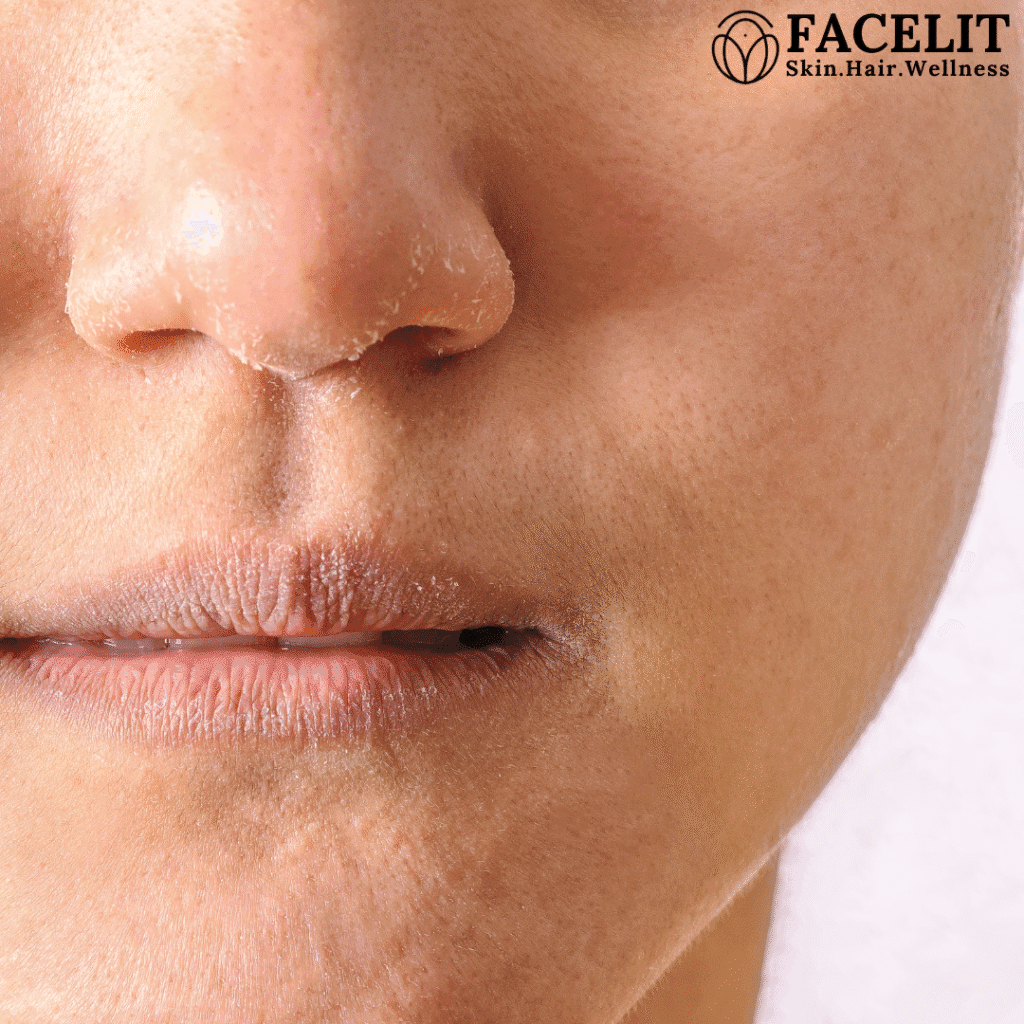
Ultimate Guide to Getting Rid of Dry Skin Getting rid of dry skin isn’t just about comfort—it’s about confidence, health, and restoring your skin’s natural glow. Dry, flaky patches, rough texture, and persistent itchiness can be more than annoying—they’re signs your skin needs urgent care. In this ultimate guide, we’ll cover everything you need to know about getting rid of dry skin, from pinpointing the root causes to building a skincare routine that truly works. Ready to say goodbye to dryness and hello to radiant, smooth skin? Let’s dive in! Understanding Dry Skin What Is Dry Skin? Dry skin, medically known as xerosis, is more than just a cosmetic concern—it’s a signal that your skin barrier is lacking the hydration it needs. Picture your skin as a protective shield: when it’s well-hydrated, it’s flexible, resilient, and able to ward off irritants. But when the moisture levels drop, the barrier weakens, resulting in a rough, tight, and sometimes painful layer that begs for attention. Common Causes of Dry Skin There are several culprits behind dry skin. Environmental factors like cold weather, low humidity, and wind exposure play a significant role, while lifestyle habits such as long, hot showers and harsh cleaning products only make matters worse. Aging, genetics, and even certain medications can contribute to the deterioration of skin hydration. It’s essential to identify your personal triggers, so you can adapt and prevent further damage. Signs and Symptoms From the first hints of dryness—mild flakiness and an uncomfortable tightness—to more severe symptoms like redness, itching, and even cracks or bleeding, dry skin communicates its distress clearly. Recognizing these signs early is key to preventing escalation and chronic issues. The Importance of Addressing Dry Skin Early Why Ignoring Dry Skin Is Risky Ignoring dry skin is like neglecting a leaky roof—it may seem minor at first, but over time, the damage escalates. Without proper care, your skin not only loses its radiance but also becomes more susceptible to infections and irritants. In many ways, your skin serves as your first line of defense. When it’s compromised, every environmental hazard becomes a potential risk. Long-Term Damage of Neglected Dry Skin If left unchecked, dry skin can lead to permanent barrier damage. Over time, chronic dryness might develop into conditions such as eczema or dermatitis. Additionally, the skin’s natural aging process speeds up, leading to premature fine lines, wrinkles, and an overall dull complexion. Investing in proper care now is an investment in your long-term skin health. Everyday Habits That Aggravate Dry Skin Impact of Hot Showers and Harsh Soaps The allure of a hot shower on a chilly morning is undeniable, yet its effects on your skin can be devastating. Hot water strips the skin of essential oils, leaving behind a parched surface that absorbs moisture poorly. Coupled with harsh soaps that disrupt the skin’s pH balance, you end up with a cycle of dryness that becomes harder to break with time. How Indoor Heating and Air Conditioning Affect Your Skin In today’s modern world, we’re often locked in environments with controlled temperatures—be it the dry heat of indoor heating during winter or the dehydrating effects of air conditioning in summer. These systems remove much-needed moisture from the air, and by extension, from your skin, leading to daily bouts of dryness. The Role of Diet and Hydration You are what you eat—and drink. A diet lacking in essential nutrients, along with inadequate water intake, can spell disaster for skin hydration. Foods rich in antioxidants, vitamins, and healthy fats are not just good for your body; they’re vital for maintaining supple, resilient skin. On the flip side, a diet heavy in processed foods and sugars can exacerbate inflammation and dryness. Essential Skincare Tips to Hydrate and Heal Choosing the Right Moisturizer Moisturizing is your frontline defense against dryness. The best moisturizers are thick, emollient creams that lock in moisture. Look for products that include ingredients like shea butter, lanolin, or plant oils. Applying moisturizer on damp skin right after a shower maximizes its ability to seal in hydration. Gentle Cleansing and Its Benefits Cleaning your skin doesn’t mean using aggressive products that further strip moisture. Instead, opt for cream or milk-based cleansers that maintain the skin’s natural oils. These gentle formulations clean effectively without disrupting the delicate balance of your skin barrier, allowing for better absorption of subsequent hydrating products. Mastering the Art of Layering Products Think of your skincare routine as constructing a multi-layered defense system. Start with a hydrating toner to prepare your skin, follow with a serum rich in hyaluronic acid for moisture, and finish with a robust cream or oil to lock everything in. Each layer builds upon the previous one, much like adding bricks to a sturdy wall. This approach not only moisturizes deeply but also optimizes the overall health of your skin. Exploring Natural Remedies for Dry Skin The Magic of Coconut Oil and Aloe Vera When it comes to natural remedies, few ingredients are as celebrated as coconut oil and aloe vera. Coconut oil is renowned for its moisturizing, antimicrobial, and antioxidant properties, making it a versatile remedy for dry patches. Aloe vera, on the other hand, soothes irritation while providing a cooling effect—perfect for calming inflamed, dry skin. Combine these two, and you have a natural treatment that hydrates deeply and promotes healing. Soothing Oatmeal Baths Imagine unwinding in a warm, soothing bath infused with colloidal oatmeal. This natural ingredient is famous for calming irritated skin and forming a protective barrier that locks in moisture. Oatmeal baths not only relax your mind after a long day but also provide lasting relief to stressed and dry skin. DIY Hydrating Masks from Your Kitchen Your kitchen is a treasure trove of ingredients that can transform your skin. Avocado, honey, and yogurt are excellent for creating a hydrating mask. Avocado is rich in healthy fats, honey is a natural humectant that attracts moisture, and yogurt contains lactic acid which gently exfoliates while moisturizing. These DIY masks are easy
Best Laser Treatments to Remove Sun Tan Effectively
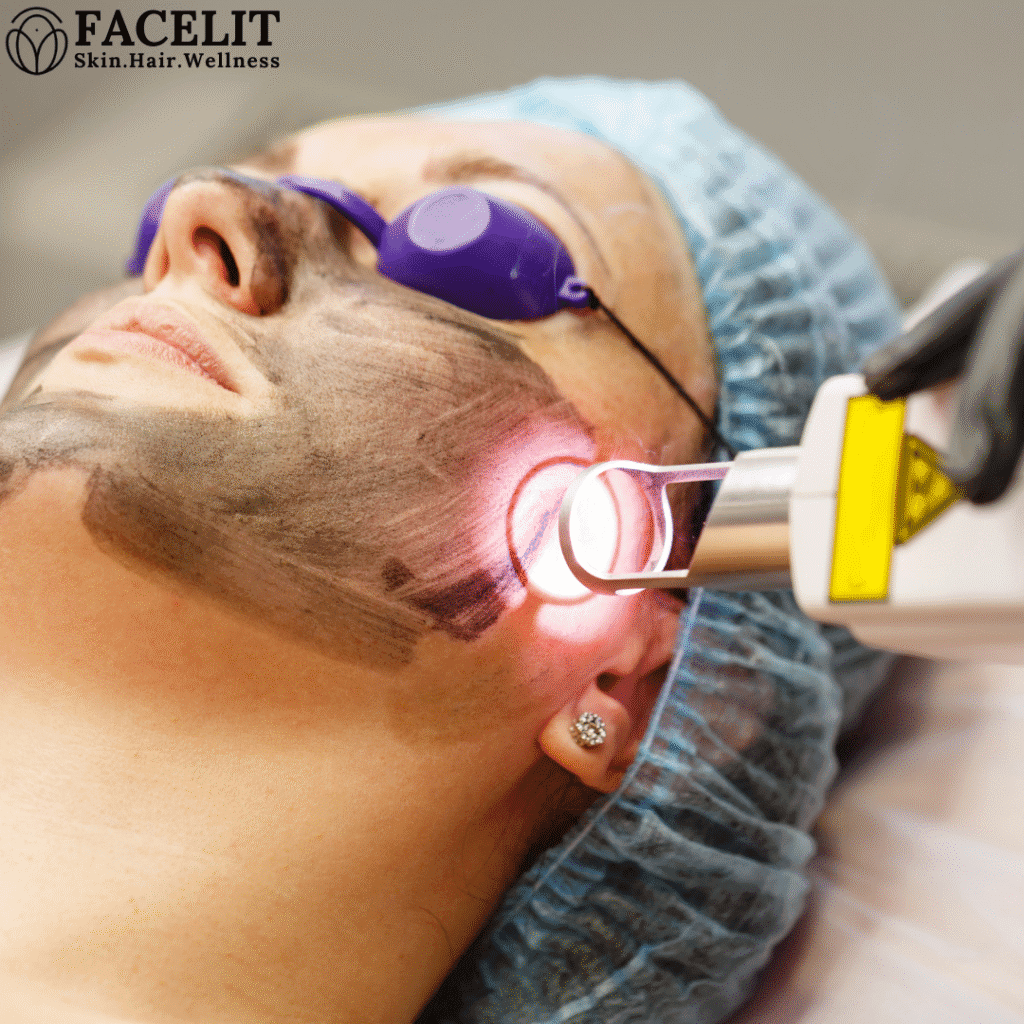
Best Laser Treatments to Remove Sun Tan Effectively Ever Feel Like Your Tan Just Refuses to Fade? You’re not alone—and you’re not imagining it. That stubborn, patchy tan that sticks around for months isn’t just sun damage… It’s your skin crying out for real, clinical-level care. If you’ve tried scrubs, face packs, and all the “miracle creams” in the market but still feel stuck with uneven skin tone, you’re in the right place. This article will walk you through the most advanced and effective laser solutions to remove sun tan—especially if you’re considering a reliable clinic like Facelit. Let’s clear the confusion, the pigmentation, and the skin. Understanding Sun Tan: It’s More Than Just Dark Skin Here’s the thing: a suntan isn’t just a surface-level issue. It’s a biological reaction where your skin produces excess melanin to protect itself from UV rays. That extra pigment settles deep in your skin layers—and that’s where most home remedies fail. If it’s been weeks (or months) and your tan still lingers, you’re dealing with dermal pigmentation, which won’t go away with a face wash or peel. Why Indian Skin Holds onto Tan Longer Our skin (typically Fitzpatrick Type IV–V) is rich in melanin, which means we: Tan faster Retain tan longer Are more prone to hyperpigmentation if we over-exfoliate or use harsh products This makes laser therapy not just a good option but a necessary one for deep tan correction. Common Mistakes That Make Tan Worse Skipping sunscreen even on cloudy days Using lemon or baking soda—harsh, drying, damaging Doing back-to-back chemical peels without expert advice Expecting salon facials to undo UV damage (they can’t) If this sounds familiar, it’s time to move on to science-backed skin care. Why Creams and Peels Rarely Work on Deep Tan Most “tan removal” products work only on the top layer of your skin. But a deep suntan sits in the dermis, beneath the surface. Unless you’re using active treatments like lasers, you’re basically lightening the top—but the dark layer underneath is still there. Why Laser Treatment is the Gold Standard Laser treatments target melanin deep within your skin without damaging the surface. They’re: Non-invasive Safe on Indian skin tones Faster and more effective than peels Backed by dermatology and science Let’s break down the most effective types. Best Laser Treatments to Remove Sun Tan 1. Pico Laser—Fast, Gentle, Powerful Pico laser is a game-changer in pigmentation treatment. It works by sending ultra-short bursts of light that shatter pigment particles without heating the skin too much. Less discomfort Great for dark skin Effective in fewer sessions Minimal downtime Perfect if you want fast results without peeling or redness. 2. IPL (Intense Pulsed Light)—Brighten & Even Out IPL isn’t a laser per se but a broad-spectrum light that targets pigment and redness. Best for mild to moderate tanning Also improves overall skin tone and texture Great for facial tanning and mild discoloration Not ideal for deeper tans, but an excellent first step for fair to wheatish skin. 3. CO2 Fractional Laser —Resurface & Rejuvenate If you’ve got severe sun damage, texture issues, or long-standing tan patches, CO2 fractional could be the hero. Removes top layers to reveal fresh skin Boosts collagen for smoother texture Also treats fine lines, scars, and enlarged pores It’s more intense, so expect some downtime, but the glow is worth it. Chemical Peels: Treatments to Remove Sun Tan Chemical Peels 1. Glycolic Acid Peel (AHA Peel) The most popular peel for tan removal. Derived from sugarcane, it exfoliates the top layer of skin to reveal brighter, even-toned skin underneath. Best for: Mild to moderate tanning, dull skin Strength: 20–70% (done by dermatologist) Sessions needed: 4–6, spaced 2–3 weeks apart Downtime: Minimal (slight peeling for 2–3 days) 2. Lactic Acid Peel A gentler AHA option, great for sensitive or darker skin tones. Also deeply hydrating while brightening. Best for: Sensitive skin, mild tanning Works well for beginners to chemical peels Downtime: Almost none 3. Salicylic Acid Peel (BHA Peel) Oil-soluble peel that penetrates deeper. Great if tan comes with acne or clogged pores. Best for: Oily/acne-prone skin with tanning Strength: 10–30% Bonus: Controls sebum and reduces breakouts 4. TCA Peel (Trichloroacetic Acid) A medium-depth peel that tackles stubborn, deep tanning and pigmentation. Best for: Severe tanning, uneven skin tone, dark patches Strength: 10–35% Downtime: 5–7 days of peeling Sessions: 2–4 (results are dramatic) 5. Yellow Peel (Retinoic Acid Peel) A retinoid-based peel that speeds up cell turnover and fades melanin deposits significantly. Best for: Chronic sun damage, deep tan, anti-aging Minimal irritation compared to TCA Leaves a visible yellow tint for 24 hrs post-treatment 6. Kojic Acid Peel Derived from fungi, it blocks melanin production while exfoliating. Best for: Asian/darker skin tones prone to hyperpigmentation Often combined with glycolic acid for enhanced results How Laser Tan Removal Actually Works Laser light enters your skin and targets the melanin clusters formed by tanning. It breaks them down into smaller particles that are absorbed and eliminated naturally by your body. No cutting, no bleeding, and usually no pain—just a mild tingling or warmth during the session. Real Results: What You Can Expect Skin looks visibly brighterPatchy tan becomes evenOverall skin tone becomes uniformTexture improves too (bonus!) Results usually start showing after the first or second session, depending on the type of laser used. What Happens During a Laser Session at Facelit Clinic Here’s what a real session looks like: Consultation—Your skin is analyzed with a digital scan. Patch test—Ensures your skin reacts well to the treatment. Laser session—takes 20–30 minutes depending on the area. Post-care plan—customized skincare routine to maintain results. At Facelit, the process is painless, clean, and handled by trained medical professionals—not technicians with basic training. Aftercare: Keep the Tan From Coming Back Your job doesn’t end after the session. Here’s how you lock in results: Use SPF 50+ daily, even if indoors Avoid hot showers, saunas, or gym for 48 hours Stick to gentle moisturizers and soothing serums No waxing or scrubbing for at
What is NCTF Treatment
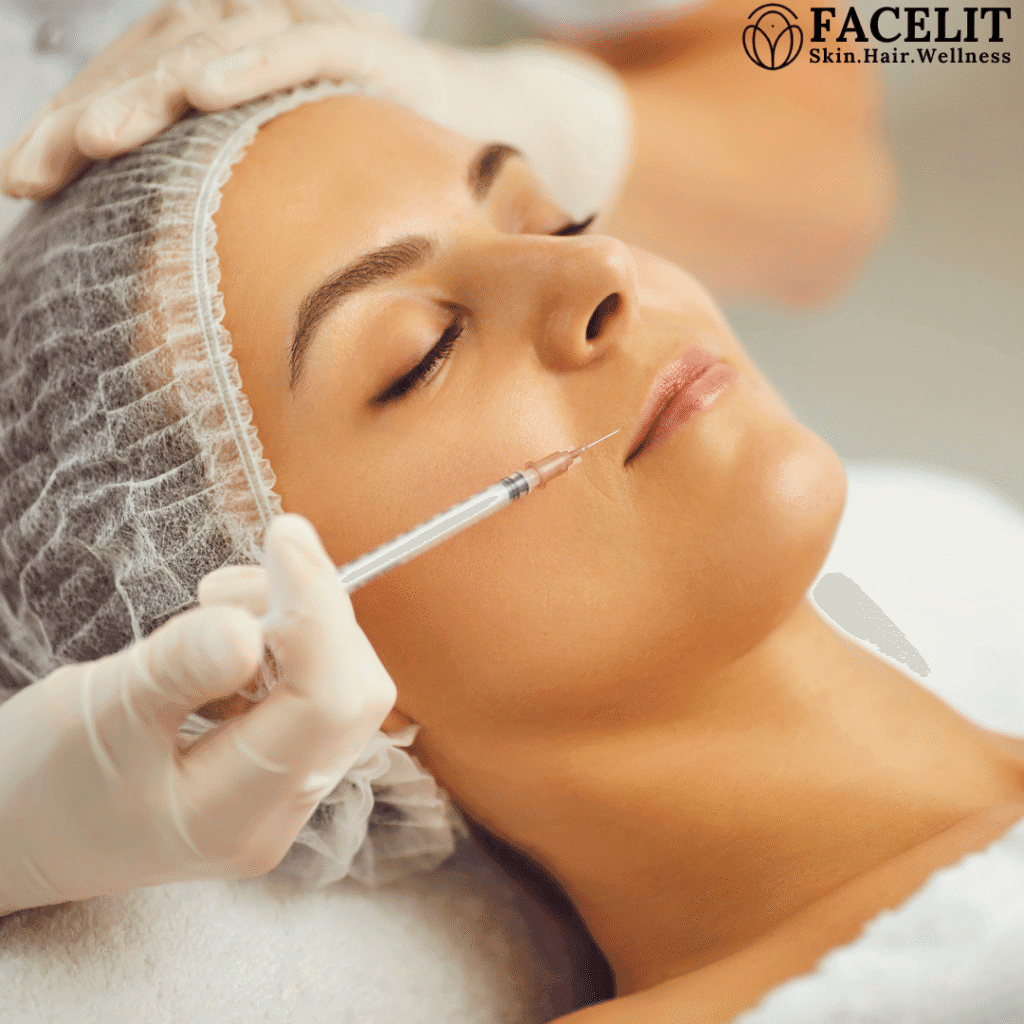
NCTF Treatment? The Skin Booster That’s Changing Skin Rejuvenation Forever NCTF Treatment is a powerful solution for dull, tired-looking skin that no amount of creams or serums can fix. You’re not alone—and luckily, you’re not without options. One of the most effective innovations in aesthetic medicine today is NCTF treatment. If you’re hearing about it for the first time, you’re probably wondering: What is NCTF, how does it work, and could it be the key to the radiant, youthful skin you’ve been craving? What Exactly is NCTF? NCTF (New Cellular Treatment Factor) is a proprietary skin-revitalizing solution developed by Laboratoires Filorga, a pioneer in aesthetic medicine. It’s a polyrevitalizing cocktail composed of: Vitamins (A, B, C, E, etc.) Amino acids Minerals Coenzymes Nucleic acids Hyaluronic acid This potent mix is injected into the skin using micro-needling or mesotherapy techniques to nourish, hydrate, and stimulate the skin from within. Who is NCTF Treatment For? NCTF is ideal for anyone noticing the early signs of aging or skin fatigue. Common concerns it addresses include: Fine lines and wrinklesLoss of skin firmnessUneven tone or textureDehydrationDull, lackluster complexion If you’ve tried topical products with minimal results, NCTF treatment delivers ingredients deep into the dermis where traditional skincare cannot reach. How Does NCTF Treatment Actually Work? At our Facelit Clinic, NCTF isn’t just applied—it’s delivered with precision to get real results. We use two highly effective techniques: Mesotherapy – This involves a series of tiny, virtually painless injections that deposit the NCTF formula just beneath the surface of your skin. It’s a targeted way to infuse your skin with powerful nutrients exactly where they’re needed. Microneedling – Using a medical-grade dermapen, we create microscopic channels in your skin that allow the NCTF cocktail to absorb deeply. This not only maximizes product penetration but also naturally stimulates collagen production. The treatment takes about 30 to 45 minutes, making it perfect even for a lunch break. You might notice slight redness, similar to a mild sunburn, but that typically fades within a few hours—and there’s minimal to no downtime. Our clients love how quick and comfortable the experience is, especially once they start seeing that radiant, refreshed glow just days later. What Results Can You Expect? Most patients report: Brighter, more even skin toneSofter and smoother textureA “glow” that lasts for weeksTighter, firmer-looking skinReduction in fine lines over time For best results, a protocol of 3 to 5 sessions spaced 1–2 weeks apart is typically recommended, followed by maintenance every few months. Is NCTF Safe? Yes. NCTF has been used for over a decade in aesthetic medicine and is CE-marked in Europe. It is: Non-toxic Biocompatible Backed by dermatological research However, it should always be administered by a trained practitioner at a certified medical aesthetics or facelift clinic to ensure safety and optimal results. NCTF vs. Other Treatments Treatment Purpose Method Ideal For NCTF Revitalization Mesotherapy Early signs of aging Botox Wrinkle relaxation Injections Expression lines Fillers Volume restoration Injections Sagging, hollowness PRP Regeneration Blood plasma Texture, acne scars NCTF stands out because it doesn’t change your facial structure—it simply enhances what’s already there by restoring hydration and nutrients. Why Choose a Facelit Clinic for NCTF? While NCTF may sound simple, the expertise of the practitioner matters. At a professional Facelit clinic, you can expect: Tailored consultations based on your skin goals Medical-grade hygiene and technology Skilled injectors trained in advanced techniques A results-driven treatment plan We specialize in subtle, natural-looking rejuvenation that makes you look refreshed—not “done.” Take the First Step to Radiant Skin Ready to experience the skin-rejuvenating power of NCTF? Whether you’re just beginning your anti-aging journey or looking for a non-surgical refresh, NCTF treatment could be the game-changer your skin has been waiting for. Book a consultation at our Facelit clinic today and discover how we can help you turn back the clock—beautifully and naturally. FAQ Section: 1. What exactly is NCTF treatment? NCTF (New Cellular Treatment Factor) is a skin-revitalizing injectable that contains over 50 active ingredients. including hyaluronic acid, vitamins, minerals, and amino acids. It’s designed to deeply hydrate, nourish, and improve the overall quality of your skin.containing over 50 active ingredient, , 2. Is NCTF only for mature skin or signs of aging? Not at all. NCTF is suitable for a wide range of skin types and ages. It’s ideal for anyone experiencing dullness, dehydration, uneven texture, or just looking to boost their skin’s natural glow. 3. How is the treatment administered? We use two main methods: mesotherapy (tiny injections into the dermis) or microneedling (using a dermapen to create micro-channels for deeper absorption). Both are safe, effective, and performed by trained professionals at our clinic. 4. Does NCTF treatment hurt? Discomfort is minimal. Most clients describe it as a light pricking or tingling sensation. We can also apply a numbing cream beforehand to make the session even more comfortable. 5. How long does each session take? A typical NCTF session lasts 30 to 45 minutes, making it easy to fit into a busy schedule—even during lunch breaks! 6. Is there any downtime after the treatment? Downtime is minimal. You may experience slight redness, mild swelling, or sensitivity for a few hours to a day. Most clients return to their regular activities right after the session. 7. When will I see results? Some clients notice improved glow and hydration within just a few days. However, best results typically appear after 3–5 sessions, spaced 1–2 weeks apart. 8. How long do the results last? Results can last for several months depending on your skin condition and lifestyle. We recommend maintenance sessions every 3–6 months to keep your skin looking its best. 9. Can I combine NCTF with other treatments? Yes! NCTF pairs well with treatments like Botox, fillers, chemical peels, and PRP. During your consultation, we’ll recommend a custom treatment plan based on your skin goals. 10. Why should I get NCTF treatment at a facelift clinic? Because experience and technique matter. At our clinic, you’re treated by skilled professionals
What is NAD IV therapy used for
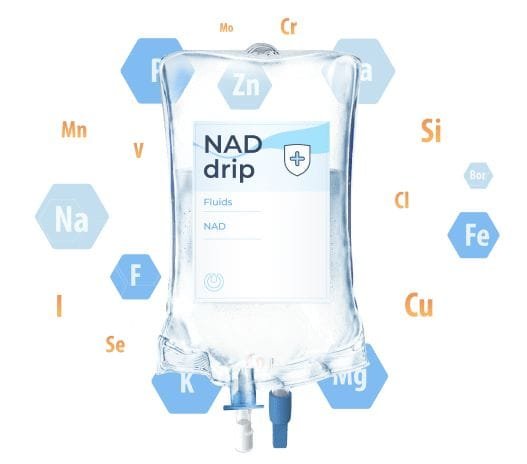
What is NAD IV Therapy Used For? A Game-Changer in Health & Longevity In today’s fast-paced world, many people are seeking smarter, faster, and more effective ways to restore their energy, enhance brain function, and feel like their best selves again. One therapy that’s been gaining massive attention among wellness enthusiasts, high performers, and even those recovering from illness or burnout is NAD+ IV Therapy. But what exactly is NAD+ IV therapy used for? And more importantly—could it be the missing piece in your health and wellness routine? Let’s dive into what makes this treatment so powerful and why it’s becoming a go-to solution for everything from chronic fatigue to anti-aging. What is NAD+? NAD+ stands for Nicotinamide Adenine Dinucleotide, a coenzyme found in every cell of your body. It’s absolutely essential for energy production, cellular repair, DNA health, and brain function. As we age—or as we go through stress, poor diet, lack of sleep, or illness—our natural levels of NAD+ decline. This drop leads to lower energy, slower metabolism, mental fog, and even faster aging. This is where NAD+ IV therapy comes in. What is NAD+ IV Therapy Used For? NAD+ IV therapy delivers this powerful coenzyme directly into your bloodstream, bypassing digestion and ensuring maximum absorption. It’s not just another trend—it’s a scientifically backed treatment with multiple uses, including: 1. Boosting Energy Levels If you feel constantly drained or struggle to get through your day despite caffeine and sleep, NAD+ can help rejuvenate your mitochondria—the powerhouse of your cells—leading to sustained, natural energy. 2. Enhancing Mental Clarity and Focus Many clients report sharper memory, quicker thinking, and improved concentration after NAD+ therapy. It supports neurotransmitter function and can be particularly helpful for those with brain fog or cognitive decline. 3. Slowing Down the Aging Process NAD+ plays a key role in cellular repair and DNA protection, which are crucial for longevity and youthful function. Regular NAD+ infusions can support healthier skin, organs, and overall vitality. 4. Supporting Addiction Recovery NAD+ therapy has shown promise in reducing withdrawal symptoms and cravings in those recovering from alcohol, drug, or prescription dependency. It helps restore balance to the brain and body faster than traditional methods alone. 5. Improving Athletic Performance & Recovery Because NAD+ accelerates cellular repair and energy production, athletes use it for faster muscle recovery, improved stamina, and reduced inflammation after workouts or injury. 6. Combating Chronic Fatigue & Inflammation Chronic fatigue syndrome, fibromyalgia, and autoimmune disorders—many of these have links to inflammation and mitochondrial dysfunction, which NAD+ can help alleviate. Why NAD+ IV Therapy is More Than Just a Trend While supplements and superfoods may offer minimal support, NAD+ IV therapy works at the cellular level. It’s backed by science, used by top health clinics worldwide, and supported by countless testimonials of transformed energy and focus. But like any therapy, the quality of care matters. Looking for Trusted NAD+ IV Therapy in a Safe, Modern Environment? At Facelit Clinic, we specialize in personalized NAD+ IV therapy designed to meet your unique health goals—whether it’s regaining your energy, supporting brain health, or simply feeling better day to day. Our expert team offers: Medically supervised IV treatments Comfortable and relaxing in-clinic sessions Custom protocols tailored to your lifestyle and wellness objectives We believe in empowering you to feel your best—from the inside out. Ready to Reclaim Your Energy and Mental Clarity? Don’t let low energy, brain fog, or accelerated aging slow you down. NAD+ IV therapy could be your next step toward living a more vibrant, focused, and resilient life. Book a consultation with Facelit Clinic today and discover how cellular-level therapy can support your journey to optimal wellness. View this post on Instagram A post shared by facelit (@facelitclinics) FAQ Section: 1. What exactly is NAD+ and why is it important? NAD+ (Nicotinamide Adenine Dinucleotide) is a coenzyme found in every cell of your body. It’s essential for turning nutrients into energy, repairing DNA, supporting brain function, and maintaining healthy aging. Without enough NAD+, your body can’t function at its best. 2. How is NAD+ IV therapy different from taking supplements? Unlike oral supplements that lose potency in digestion, NAD+ IV therapy delivers it directly into your bloodstream, ensuring maximum absorption and faster, more noticeable results. 3. What are the benefits I can expect from NAD+ IV therapy? People often report: Increased energy and stamina Mental clarity and reduced brain fog Improved mood and focus Slower signs of aging Quicker recovery from workouts or illness It’s a full-body recharge at the cellular level. 4. How many sessions will I need to see results? Some clients feel results after just one session, especially in energy and focus. However, for lasting benefits like anti-aging or addiction recovery, a series of sessions (typically 4–6) may be recommended depending on your goals. 5. Is NAD+ IV therapy safe? Yes, NAD+ is naturally produced by your body, and IV therapy is generally well-tolerated when administered by trained professionals. At Facelit Clinic, treatments are always supervised by experienced medical staff for your safety and comfort. 6. How long does each NAD+ IV session take? A typical session can take 1.5 to 3 hours, depending on your dose and how your body responds. The infusion is slow and steady to avoid discomfort, and most people find the experience relaxing. 7. Can NAD+ help with burnout or long-term fatigue? Absolutely. NAD+ therapy supports mitochondrial function (your body’s energy factories), which is often impaired during burnout, chronic stress, or fatigue. Many clients report a noticeable lift in energy and motivation after treatment. 8. Is NAD+ IV therapy useful for mental health or brain fog? Yes—NAD+ helps regenerate neurotransmitters in the brain and may improve mental clarity, focus, and mood. It’s being explored as a complementary treatment for conditions like depression, anxiety, and cognitive decline. 9. Does NAD+ therapy really help with aging? Yes. NAD+ plays a major role in DNA repair and cellular regeneration, both of which slow down as we age. Increasing NAD+ levels has been
How to Get Glowing Skin
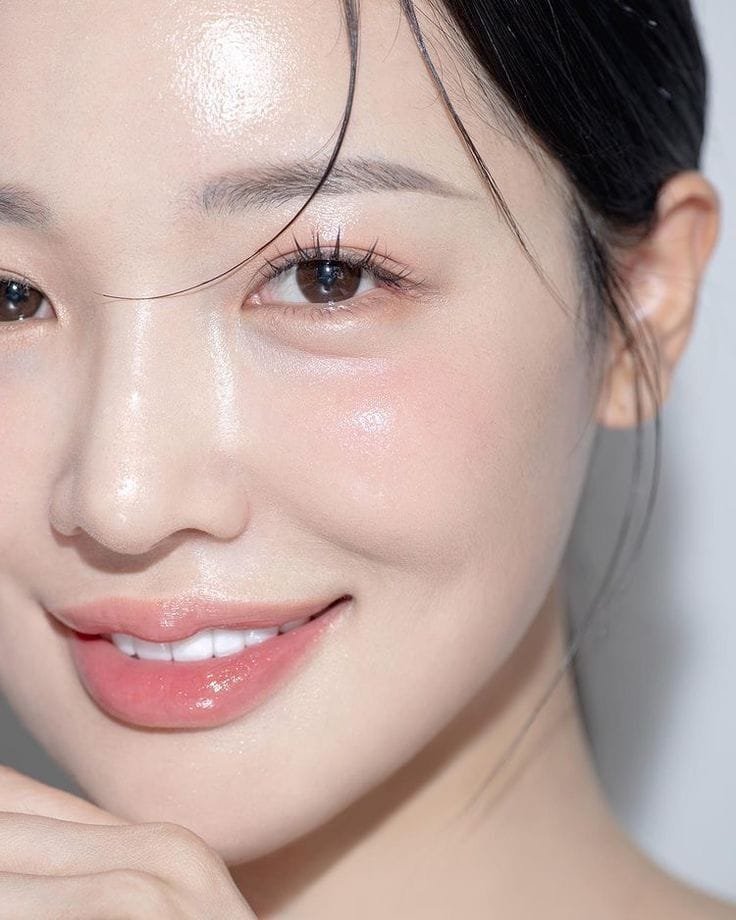
How to Get Glowing Skin: Expert Tips Backed by 20 Years of Skincare Experience How to get glowing skin doesn’t have to be complicated. With the right skincare routine, hydration, and healthy habits, achieving radiant, youthful-looking skin is possible for everyone. Whether you’re battling dryness, dullness, or uneven skin tone, simple changes can make a big difference. Understanding Your Skin Type The journey to radiant, healthy skin starts with one simple but powerful step: understanding your skin type. Whether your skin is oily, dry, combination, or sensitive, knowing what you’re working with is the key to building a routine that actually works. Here’s why it matters: Oily skin tends to produce excess sebum, which can lead to clogged pores and breakouts. Look for lightweight, oil-free, and non-comedogenic products to keep your skin balanced without adding more shine. Dry skin often feels tight, flaky, or dull. It craves moisture, so focus on hydrating cleansers, rich creams, and ingredients like hyaluronic acid and ceramides. Combination skin can be tricky, with both oily and dry areas (usually an oily T-zone and drier cheeks). Use balancing products that hydrate without clogging pores. Sensitive skin needs extra TLC. Stick to gentle, fragrance-free formulations that calm and protect, rather than irritate. Not sure what your skin type is? Pay attention to how your skin feels throughout the day. Does it get shiny by noon? Feel tight after washing? React easily to new products? These are all clues. Daily Skincare Habits That Boost Radiance Consistency in daily skincare routines significantly impacts skin health and glow. Here’s a structured regimen: Morning Routine: Cleanse: Use a gentle cleanser to remove overnight impurities. Tone: Apply a toner to balance skin pH. Serum: Incorporate a Vitamin C serum to brighten the skin. Moisturize: Use a hydrating moisturizer suitable for your skin type. Sunscreen: Apply broad-spectrum SPF 50+ or higher to protect against UV damage.Like 360 Block Sunscreen Gel Night Routine: Double Cleanse: Start with an oil-based cleanser followed by a water-based one to thoroughly remove makeup and pollutants. Exfoliate: 2-3 times a week, use a gentle exfoliant to slough off dead skin cells. Serum: Apply a retinol or hyaluronic acid serum to promote cell turnover and hydration. Moisturize: Use a nourishing night cream to repair and rejuvenate skin overnight. Nutrition and Lifestyle for Healthy, Glowing Skin Your diet and lifestyle choices play a pivotal role in skin health. Consider the following: Hydration: Drink at least 2 liters of water daily to maintain skin moisture and elasticity. Balanced Diet: Incorporate antioxidant-rich foods like berries, leafy greens, and nuts. Omega-3 fatty acids found in fish and flaxseeds help maintain the skin’s lipid barrier. Sleep: Aim for 7-9 hours of quality sleep to allow skin cells to regenerate. Stress Management: Engage in activities like yoga or meditation to reduce stress-induced skin issues. Exercise: Regular physical activity improves blood circulation, delivering nutrients to the skin. Natural Remedies and DIY Treatments Natural ingredients can be effective in promoting skin radiance: Aloe Vera: Soothes and hydrates the skin. Turmeric: Contains curcumin, which has anti-inflammatory properties. Honey: Acts as a natural humectant, retaining skin moisture. Lemon Juice: Rich in Vitamin C, it helps in skin brightening. DIY Face Mask Recipe: 1 tablespoon of honey 1 teaspoon of turmeric 1 tablespoon of plain yogurt Mix the ingredients and apply to the face for 15 minutes before rinsing off with warm water. While natural remedies can be helpful, it’s always a good idea to do a patch test first to avoid any allergic reactions. At Facelit Clinic, we offer safe, natural treatments designed to deliver great results—without the worry of side effects. Common Mistakes That Dull Your Glow Avoid these common skincare mistakes: Over-Exfoliation: Excessive exfoliation can damage the skin barrier, leading to sensitivity and redness. Skipping Sunscreen: Neglecting sun protection accelerates aging and increases pigmentation. Using Harsh Products: Products with alcohol or strong fragrances can irritate the skin. Inconsistent Routine: Irregular skincare practices hinder progress and results. Facelit Clinic educates clients on proper skincare techniques, ensuring you avoid these pitfalls and maintain a healthy glow. Instant Glow: Advanced Skin Treatments That Deliver Visible Results If you’re looking for that instant, radiant glow—whether it’s for a big event or just to feel your absolute best—advanced skincare treatments can offer dramatic, fast-acting results that go far beyond what over-the-counter products can deliver. At Facelit Clinic, we specialize in cutting-edge, dermatologist-approved treatments that are designed to rejuvenate your skin, restore youthful radiance, and give you that healthy, lit-from-within glow. Here are some of the most effective options: Chemical PeelsThese treatments use safe, medical-grade acids to gently exfoliate the top layers of skin, revealing a smoother, more even-toned complexion underneath. Chemical peels are excellent for reducing dullness, fine lines, acne scars, and hyperpigmentation. You’ll notice a visible improvement in skin texture and tone after just one session. MicrodermabrasionThis non-invasive procedure involves the mechanical exfoliation of dead skin cells using a diamond-tipped wand. It boosts cell turnover, stimulates collagen production, and leaves your skin looking instantly brighter and feeling silky-smooth. It’s a great option for those new to professional treatments. Laser Skin RejuvenationUsing targeted laser energy, this treatment addresses dark spots, sun damage, uneven texture, and fine lines—all in one go. It also promotes long-term collagen production, improving elasticity over time. Results are noticeable within days and continue to improve with each session. HydraFacialThis all-in-one facial is a client favorite for a reason. It deeply cleanses, exfoliates, extracts impurities, hydrates the skin, and infuses antioxidants—all in a single session. The best part? There’s zero downtime, and the glow is immediate. Pro Tip: Many of these treatments can be combined for even more powerful results. Our skincare professionals at Facelit Clinic will assess your skin and goals to create a customized treatment plan that delivers the glow you’re after—fast. Whether you want to refresh your look before a special occasion or simply give your skin the care it deserves, these advanced treatments can be your shortcut to glowing, youthful skin. Book your consultation today
How to Remove Scars from Face Permanently

How to Remove Scars from Face Permanently: Solutions That Actually Work Facial scars—whether from acne, injuries, or past procedures—can feel like lasting reminders you’d rather leave behind. They not only affect your appearance but can also impact your self-esteem and confidence. If you’ve been searching for ways to remove scars permanently, you’re not alone. Many people face the same struggle, and while it may feel frustrating at times, there is hope. With the right care and expert support, it’s possible to greatly reduce or even fully fade scars over time. Everyone’s skin is different, and lasting results come from understanding your unique needs and following a thoughtful, consistent approach. Clearer, smoother skin isn’t just a dream—it’s within reach. Can Scars Really Be Removed Permanently? It’s a question many people ask — especially after trying countless products or remedies with little to no results. The truth is, while not every scar can disappear completely, many can be significantly faded or made virtually unnoticeable with the right care and approach. Real, lasting improvement comes from understanding what’s causing the scar and how your skin heals. That’s why a one-size-fits-all solution rarely works. What does work is a personalized plan that looks at your skin type, the kind of scar you have, and your long-term goals. You don’t have to settle for covering up scars or feeling frustrated by them anymore. With expert guidance and the right strategy, smooth, clear skin is absolutely possible. Best Treatments for Permanent Facial Scar Removal Struggling with scars that just won’t fade—no matter what you try? You’re not alone. Whether they’re from acne, injury, or past procedures, facial scars can feel like a constant reminder of what your skin has been through. But there are real solutions—and we’re here to help you find the one that works for you. At Facelit Clinic, we don’t just treat scars—we create tailored treatment plans built around your skin, your goals, and your comfort. Here’s how we do it better: 1. Laser Scar RemovalLaser resurfacing is one of the most trusted methods for breaking down scar tissue and triggering natural collagen repair. It works by gently targeting the damaged skin layers and encouraging healthy skin to form in its place. Why choose Facelit?We use cutting-edge CO2 fractional Laser and non-ablative lasers to ensure effective results with minimal downtime. Most clients notice smoother skin and a more even tone after just a few sessions. 2. Microneedling with PRP (Platelet-Rich Plasma)Microneedling helps your skin regenerate by creating tiny micro-injuries, while PRP (taken from your own blood) supercharges healing and boosts visible improvements. Why choose Facelit?Our enhanced PRP techniques are designed for maximum skin regeneration. Many clients say their skin feels refreshed and visibly brighter—even after their first session. 3. Chemical PeelsChemical peels remove the outermost layer of skin, helping fade pigmentation, smooth out uneven texture, and reduce the appearance of shallow scars. Why choose Facelit?We customize each peel based on your skin tone, texture, and sensitivity. No harsh, one-size-fits-all solutions—only what works best for your skin. 4. Dermal Fillers for Indented ScarsFor deep, sunken scars (often caused by severe acne), dermal fillers can lift and smooth the skin, restoring a more even surface. Why choose Facelit?Our expert injectors are highly trained in facial anatomy, so your results look natural and balanced, never overdone. Let’s Take the First Step TogetherYou don’t have to live with scars that make you feel less confident. At Facelit Clinic, we believe everyone deserves to feel good in their skin. Book a consultation with us today, and let’s talk about how we can help you achieve smoother, clearer skin—permanently. Can I Try Natural Remedies or OTC Products? Yes — but manage your expectations. Natural solutions like aloe vera, vitamin E, or rosehip oil may improve skin texture or tone slightly, but they won’t remove scars permanently. Over-the-counter scar gels or silicone sheets can help with recent or mild scars, but for deeper ones, clinical treatment is key. That said, maintaining a good skincare routine and protecting your skin from the sun is essential — especially after professional treatments. Ready to Say Goodbye to Scars for Good? If you’re done hiding behind makeup or filters and you’re serious about permanently removing scars, now’s the time to take action. Your journey to smoother, clearer skin starts here. At Facelit Clinic, we understand how frustrating scars can be—and we’re here to help you overcome them with personalized treatments that truly work. Don’t wait any longer to feel confident in your own skin. Book your free consultation today, and let’s design a treatment plan that’s tailored just for you. It’s time to take the next step toward the glowing, scar-free skin you deserve. FAQ Section: 1. Can facial scars really be removed permanently? While it’s challenging to erase a scar 100%, advanced dermatological treatments like laser therapy, microneedling, and surgical revision can significantly reduce or even make scars nearly invisible. At Facelit Clinic, we customize your treatment to ensure the most permanent and natural-looking results possible. 2. What is the most effective treatment for deep acne scars? For deep or atrophic acne scars, microneedling with PRP or laser resurfacing tends to be most effective. Some cases may also benefit from dermal fillers or a combination of treatments. A consultation at Facelit Clinic helps identify the right approach for your skin. 3. How many sessions will I need to see real results? This depends on the type and severity of your scars, but most patients see noticeable improvement after 3 to 5 sessions. Our skin experts at Facelit Clinic will outline a tailored plan for your goals and timeline. 4. Is laser scar removal painful? Laser treatments may cause mild discomfort, similar to a rubber band snap, but we apply a topical numbing cream beforehand to ensure comfort. Most people tolerate the procedure very well, and downtime is minimal. 5. Are the results from microneedling permanent? Microneedling with PRP boosts collagen production, which can permanently improve the appearance of scars over time. Results
How to Get Rid of Clogged Pores
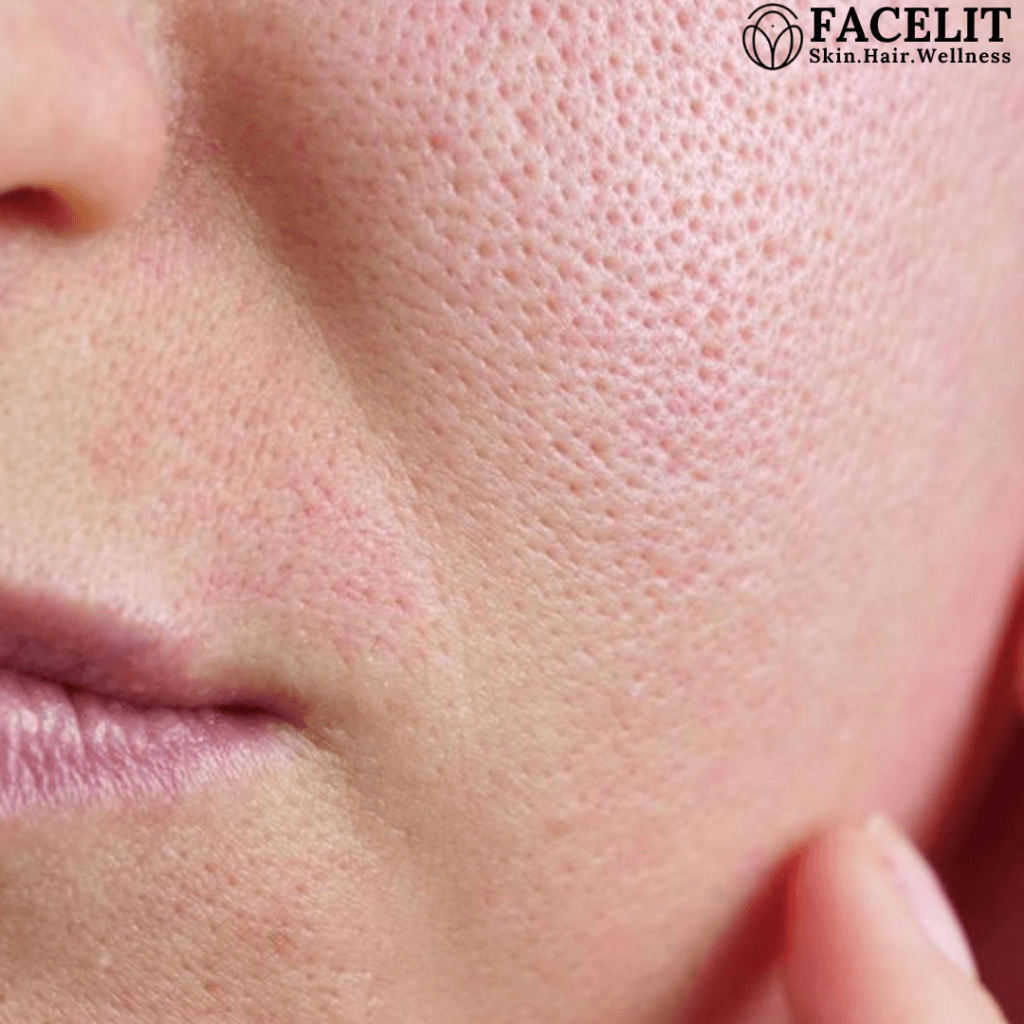
Clogged Pores? Here’s How to Get Rid of Them for Good Tired of battling stubborn blackheads, greasy skin, and clogged pores that just won’t clear—no matter what you try? You’re not alone. Whether it’s your nose, chin, or cheeks, clogged pores can make your skin look dull, bumpy, and hard to manage—even with the best cleansers and serums. But here’s the truth: most routines miss the deeper causes behind pore congestion. In this guide, you’ll discover real, dermatologist-backed strategies to unclog pores effectively and restore smooth, radiant skin—no gimmicks, just results. If you’re ready to stop guessing and start glowing, read on. Why Are My Pores Clogged in the First Place? Here’s the short version: pores get clogged when oil, dirt, dead skin, and leftover makeup settle in and get comfy. The more they sit, the deeper they get — eventually turning into blackheads, whiteheads, or full-blown acne. What causes it? Overactive oil glands Wearing makeup 24/7 Not cleaning your skin properly Sweat and pollution Using the wrong products for your skin Basically, your skin is trying to say “Help!” — and it’s time to listen How to Know If Your Pores Are Clogged Not sure if you’re dealing with clogged pores or just regular skin drama? Here’s how to tell: Skin feels bumpy, rough, or uneven You have blackheads or whiteheads that never go away Pores look bigger than they used to Makeup sits on top instead of blending in You’re constantly oily, but also dry in patches If any of this sounds familiar, keep reading — you’re going to want this. Let’s Fix It: The Daily Routine That Keeps Pores Clean Here’s what your skin is secretly begging you to do every day: 1. Ditch the Harsh Cleanser – Go Gentle, Twice a Day Yes, even if you’re oily. Stripping your skin just makes it pump out more oil. Look for a gentle, non-foaming cleanser that gets the job done without making your skin panic. 2. Use a Chemical Exfoliant – No More Scrubs Scrubbing might feel satisfying, but it can damage your skin barrier. Switch to a salicylic acid or glycolic acid exfoliant 2–3 times a week. These acids break down the stuff inside your pores without irritating your skin. 3. Moisturize — Yes, Even If You’re Oily Dehydrated skin = more oil = more clogged pores. Use a lightweight, oil-free moisturizer that keeps your skin hydrated without making it greasy. 4. Sunscreen, Always You’ve heard it before — but here’s the deal: sun damage makes pores bigger and clogs worse. Use a non-comedogenic SPF 30+ daily. No exceptions. Need to Deep Clean? Here’s What Works Sometimes your pores need more than a daily routine. That’s where these weekly treatments come in: Steam + Clay Mask Combo (At-Home Facial) Steam softens your skin and opens your pores. Follow with a clay or charcoal mask to draw out the impurities. Think of it like detoxing your face without the juice cleanse. Professional Extractions (The Safe Kind) DIY popping? Just don’t. If you’ve got stubborn blackheads, get them removed the right way with professional extractions at Facelit Clinic. No damage, no scars, just smooth skin. The Ingredients Your Pores Are Begging For Add these MVPs to your routine and watch your skin change: Salicylic Acid – Deep-cleans oily pores Glycolic Acid – Smooths out texture and dead skin Retinoids – Boosts cell turnover and unclogs everything Niacinamide – Controls oil and calms redness No idea where to start? That’s what pros at Facelit Clinic are for — they’ll build you a custom plan. Still Struggling? Facelit Clinic Has You Covered Let’s be real: sometimes your skin needs backup. At Facelit Clinic, you’re not just getting a generic facial. You’re getting personalized, science-backed treatments that actually work. Why Facelit Works for Clogged Pores: Advanced tools (like microdermabrasion & lasers) Medical-grade peels that clear congestion fast Skincare experts who know what works for your skin type No guesswork—just results Whether you need a full facial detox or serious treatment for textured skin, they’ve got your back. The Best Treatments to Unclog Deep Pores and Reveal Clearer Skin Clogged pores can lead to blackheads, breakouts, and an overall dull complexion. Fortunately, there are several professional treatments that can deeply cleanse your skin, improve texture, and help you achieve that fresh, radiant glow. Here are four of the most effective options: 1. HydraFacial with ExtractionsIf you’re looking for a treatment that combines deep cleansing with hydration and zero irritation, the HydraFacial is a game-changer. This multi-step procedure uses a specialized device to gently exfoliate the skin, perform painless extractions, and infuse customized serums that target your skin’s specific needs. The result? Instantly cleaner, smoother, and more nourished skin without redness or downtime. 2. MicrodermabrasionIdeal for anyone dealing with rough texture, clogged pores, or dull skin, microdermabrasion is a non-invasive exfoliation treatment that buffs away dead skin cells using a diamond-tipped wand or crystal spray. It improves skin texture immediately, helps products absorb better, and can even reduce the appearance of fine lines and dark spots over time. 3. Chemical PeelsA great choice for treating stubborn blackheads, acne, and uneven skin tone, chemical peels work by applying a specialized acid solution that exfoliates the top layers of skin. This process helps clear out congested pores, stimulate new cell growth, and leave your skin glowing. With different strengths available, your provider can tailor the peel to your skin’s sensitivity and goals—no major peeling or downtime required for most light to medium peels. 4. Laser TherapyIf you’re seeking long-term results, laser therapy is a powerful option. This high-tech treatment targets deep layers of the skin to shrink enlarged pores, reduce oil production, and improve overall skin texture. Over time, it not only keeps your pores clearer but also boosts collagen, which helps your skin look firmer and more youthful. Each of these treatments can be customized based on your skin type and concerns, so it’s always best to consult with a licensed skincare professional to
How to Lighten Dark Lips Permanently

How to Lighten Dark Lips Permanently: Natural vs. Medical Treatments Explained Are you tired of looking in the mirror and wishing for naturally pink, healthy lips? Dark lips can be caused by a variety of factors, such as sun exposure, dehydration, smoking, or even genetics. While many home remedies claim to lighten dark lips, most only offer temporary results. If you’re looking for a safe, effective, and lasting solution, it’s important to understand both the causes of dark lips and the most effective treatments available. Causes of Dark Lips Sun Exposure: Just like your skin, your lips are vulnerable to the sun’s harmful UV rays, leading to pigmentation and discoloration over time. Prolonged exposure can darken your lips, making them appear dull and uneven. Dehydration: When your body is dehydrated, it can show up on your lips in the form of dryness, cracks, and a darker tone. Proper hydration is essential for maintaining healthy, soft lips. Smoking: Nicotine and other chemicals in cigarettes can damage the delicate skin on your lips, leading to pigmentation. Over time, this can result in lips that appear darker or uneven in color. Genetics: Sometimes, dark lips are simply a result of genetics. Some individuals are naturally prone to more pigmentation in their lips, which can be influenced by family history. Hormonal Changes: Hormonal fluctuations, such as those experienced during pregnancy or with the use of certain medications, can also cause the lips to darken. Natural Ways to Lighten Lips While there are many products and treatments available, natural remedies can be a gentle way to begin restoring your lips’ natural color. Here are a few tips: Exfoliation: Gently exfoliating your lips with a sugar scrub or a mixture of honey and lemon can help remove dead skin cells, revealing fresher, lighter skin underneath. Be sure to exfoliate once or twice a week to avoid irritation. Lemon and Honey: This combination is a natural bleaching agent. Honey moisturizes the lips while lemon brightens them. Apply a small amount of honey and lemon juice mixture to your lips and leave it on for a few minutes before wiping it off. Beetroot: Known for its natural pigmentation properties, beetroot can add a pinkish hue to your lips. Apply fresh beetroot juice or rub a slice of beetroot on your lips daily for a natural tint. Coconut Oil: Rich in vitamins and antioxidants, coconut oil nourishes and hydrates the lips. Regular application can help keep lips soft, smooth, and prevent darkening caused by dehydration. Rose Petals: Rose petals are packed with essential oils that can help rejuvenate your lips. Simply soak some rose petals in milk overnight, crush them, and apply the paste to your lips. Professional Treatments for Dark Lips If you’re looking for a more lasting and noticeable change, professional treatments offer reliable solutions that go beyond what home remedies can achieve. These methods are designed to target the root causes of lip pigmentation, helping you achieve smooth, healthy-looking lips with a natural pink tone. Here’s a closer look at some of the most effective options: 1. Laser Therapy Laser treatments are a popular option for reducing lip pigmentation. They work by targeting melanin (the pigment responsible for dark spots) and breaking it down without damaging the surrounding tissue. In addition to evening out the lip tone, laser therapy can also stimulate collagen production, which helps improve lip texture and firmness. The result is softer, smoother lips with a natural flush. 2. Chemical Peels Chemical peels use safe, gentle acids to exfoliate the upper layer of skin, removing dead cells and pigmented areas. This controlled exfoliation encourages the growth of fresh, new skin that’s lighter and more evenly toned. It’s a non-invasive procedure that can brighten the lips and restore their youthful appearance with minimal downtime. 3. Microneedling Microneedling involves using fine needles to create tiny micro-injuries in the skin, which triggers the body’s healing response. As the skin heals, it produces more collagen and elastin—two essential components for healthy, vibrant lips. This treatment not only helps reduce pigmentation but also improves overall lip texture and color, leaving lips smoother and more naturally pink over time. 4. Lip Fillers While lip fillers are usually associated with volume, they also play a subtle role in enhancing lip color and overall appearance. Hyaluronic acid-based Lip fillers can improve hydration from within, making the lips appear plumper, healthier, and slightly rosier. In some cases, fillers can help smooth out uneven tone and texture, giving your lips a fresh, youthful look. When done with a natural approach, the results can be soft, subtle, and confidence-boosting. Why Consider Professional Treatments? Long-Lasting Results: Unlike temporary remedies, these treatments provide results that can last for months—or even years—with proper care. Customized Solutions: A specialist can assess your lip condition and recommend the best combination of treatments based on your unique needs. Confidence Boost: Clearer, healthier-looking lips often lead to improved self-esteem and a more polished overall appearance. Conclusion While dark lips can be frustrating, understanding their causes and taking steps to care for your lips can lead to noticeable improvements. Natural remedies, combined with professional treatments, can restore your lips’ natural beauty and give you the healthy, pink lips you’ve always wanted. With proper care, your lips will look beautiful and feel soft, smooth, and healthy for the long term. FAQ Section: 1. What causes dark lips? Dark lips can result from sun exposure, smoking, caffeine consumption, dehydration, genetics, allergic reactions, and the use of low-quality lip products. 2. Can dark lips be lightened permanently? Yes! While home remedies provide temporary improvements, professional treatments like laser therapy, chemical peels, and fillers at Facelit Clinic offer long-lasting or permanent results. 3. How long does it take to lighten dark lips with professional treatments? It depends on the severity of pigmentation and the treatment used. Most clients see visible results within 3-6 sessions for laser treatment and 2-3 sessions for chemical peels. 4. Is laser lip lightening safe? Yes, laser treatment is non-invasive, safe,